
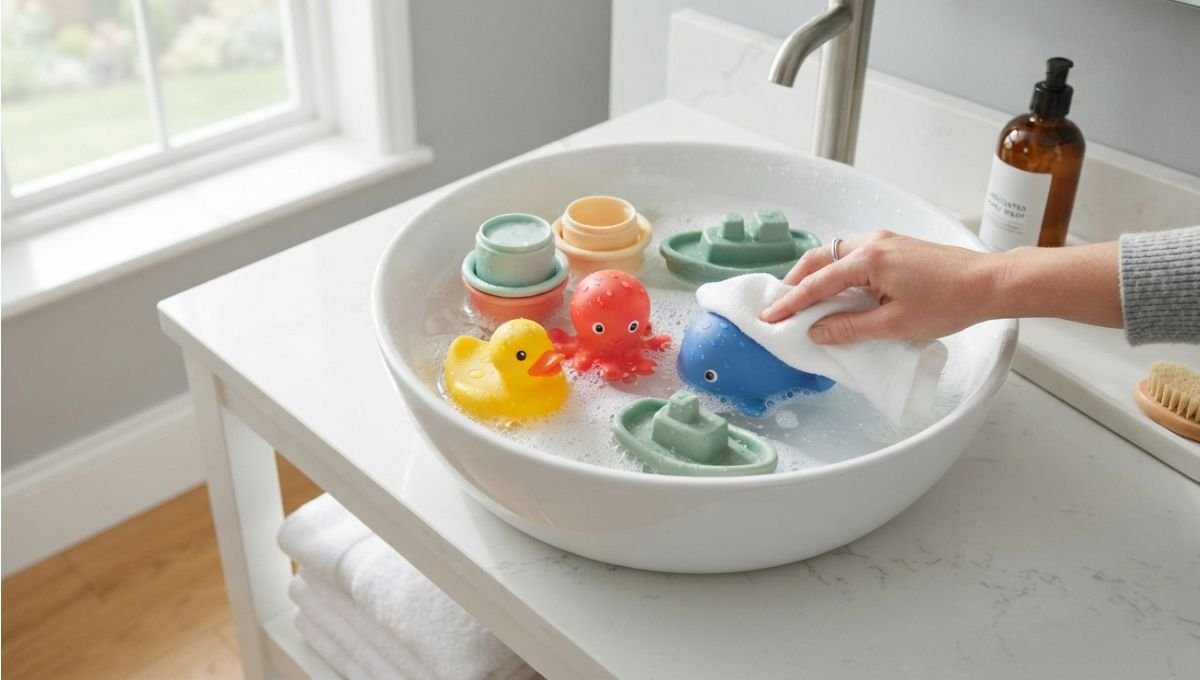
Babies love to touch and play with toys. They also put a lot of toys in their mouths. So a baby toy can collect dirt, grime, saliva, and germs. Cleaning them regularly is an important part of your children’s care. It helps keep the playroom alive and safe. Even parents may wonder how to effectively clean children’s toys. How to Clean Baby Toys starts with simple steps.
The solution depends on the sportswear. Plastic toys should be cleaned one way or another. Soft toys require special care. Wooden games also need special attention. Using the wrong method can also damage the toy. In this booklet, you will learn how to make children’s toys accessible in an easy way. You’ll also learn how often to clean them and what mistakes to avoid. The staircase is easy for new moms and dads to stick to. How to Clean Baby Toys helps remove dirt.
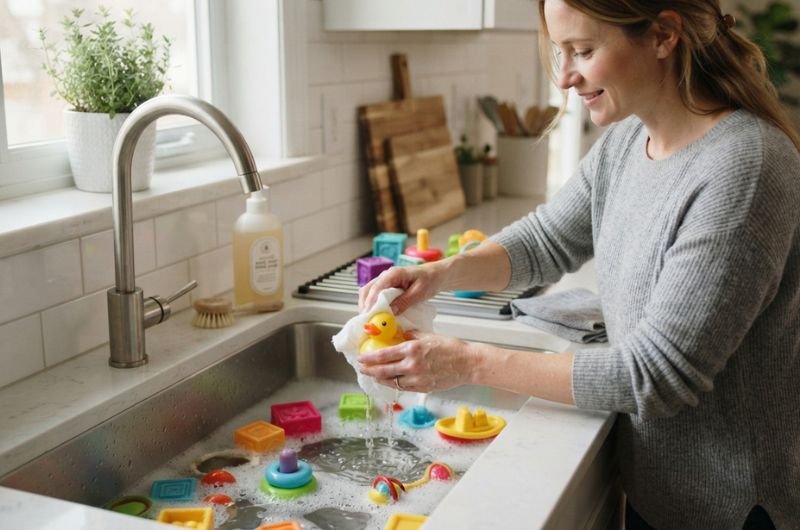
Why Cleaning Baby Toys Is Important
Children’s toys can get dirty in no time. Infants touch the toy with their hands and then with their mouths. They may bite or suck on a spare toy. This allows dust and bacteria to pass from the toy to the child. Regular cleaning can remove dirt from toy surfaces. In addition, it can reduce the buildup of saliva and food. How to Clean Baby Toys keeps toys fresh. How to Clean Baby Toys safely protects babies.
This is especially helpful for toys that children use every day. It is also important to find an easy way to children’s games when a couple of children use the same toys. Shared toys can get germs from unusual arms and faces. Cleaning them between uses can be a helpful habit. But toys no longer need to be treated like medical devices. Routine cleaning is usually enough for use. Parents should pick a path that’s right, for this toy. How to Clean Baby Toys depends on the material.
Check the Toy Before Cleaning
Before you start, take a good look at the toys. Check the label or care instructions if they are mandatory. Some toys can be washed with water. Wiping others with a damp cloth is most effective. This step is important because water can damage certain toys. Electronic toys should no longer be placed in the water. How to Clean Baby Toys can prevent germs.
Toys with batteries also require more care. The easy way to find your way into children’s games starts with knowing what a toy is made of. Plastic, rubber, wood, materials, and digital toys all require specialized methods. Also, be aware of dangerous toys. If the toy has broken parts, loose parts, cracks, or sharp edges, cleaning it might not make it safe now. You can also restore or replace broken toys. How to Clean Baby Toys is easy at home.
How to Clean Plastic Baby Toys
Plastic toys are not uncommon in households with children. They are usually clean for cleaning. Start by removing any loose dust from the toy. You can then wash the toy with warm water and a small amount of soap if the manufacturer’s instructions allow it. Use softener or a sponge to smooth the floor. Focus on small areas where dirt can accumulate. How to Clean Baby Toys should use gentle cleaners.
Dry the toy completely after washing. Place in a clean open area. However, avoid storing it when it is wet. When learning accessible baby toys, drying becomes as important as washing. A wet toy can keep a small indoor area wet. This can also create an environment where mold can grow. How to Clean Baby Toys helps remove food stains.
How to Clean Teething Toys
Teething toys want a special taste because children often cut them. Food, saliva, and dirt can get on them. First check the manufacturer’s instructions. Some teething toys can be washed with soap and water. Some may be inside the dishwasher. Others need to dry their hands. Use a gentle cleaning method suitable for product orders. How to Clean Baby Toys keeps play areas cleaner.
Rinse the toys thoroughly while the water washes. Then let it dry completely. Avoid using harsh cleaning products, even if the manufacturer claims they are safe. Pink children put teething toys directly in their mouths. Simple cleaning methods are usually the best choice. How to Clean Baby Toys is useful for new parents.
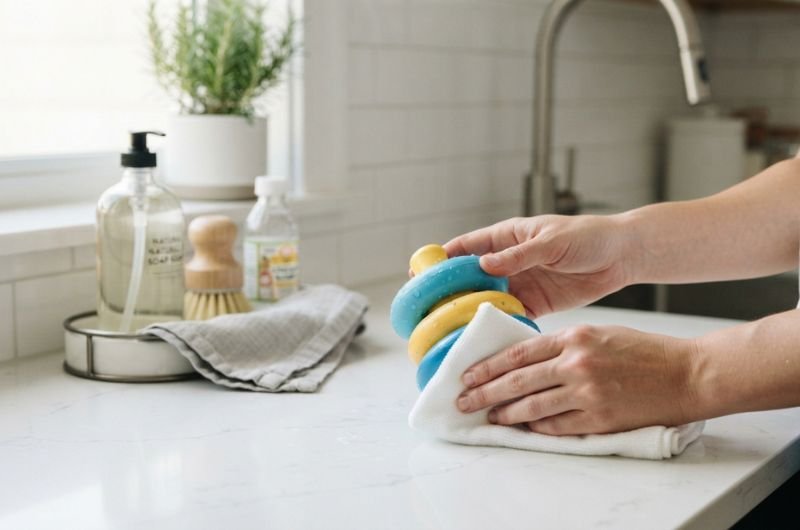
More Ways to Clean Baby Toys
How to Clean Soft Baby Toys
Soft toys can hold dust, hair, saliva, and various dirt. They can stay wet for a long time if washed incorrectly. Start by using care label scanning. If the toy is washable put it near it in a laundry bag if you want to. Use a wash cycle and a medium amount of soap. After washing dry it completely step by step following the care instructions. For toys that cannot be washed inside the machine use a wet cloth. How to Clean Baby Toys should be done often.
Wipe the floor gently. Do not make the toy wet unless the instructions say it is okay. Drying is very important, for toys. The toy must be completely dry before the child plays with it again. Wet materials can make smells stronger which can cause mold to grow. Knowing the right type of baby toy and clothing helps parents protect both the toy and their babies.
How to Clean Wooden Baby Toys
Wooden toys require careful cleaning. Too much and too much water can damage the wood. It can also serve the purpose of inflating, sparkling, or changing the appearance of the floor. For maximum wooden toys, use barely damp materials. How to Clean Baby Toys helps maintain hygiene. How to Clean Baby Toys requires proper drying.
Dry the toy gently. Then use a dryer to wipe off any moisture. Stop soaking toys in a bowl of water. Don’t leave them wet, for long. If parts of the toy have paint or a coating check the manufacturer’s cleaning instructions. Some cleaners can harm the surface. When picking safe and easy toys for kids, keep in mind that natural materials need care. A soft touch when cleaning helps keep toys in shape for longer.
How to Clean Electronic Baby Toys
Electronic toys require more care. These toys may also contain batteries, wires, speakers, light fixtures, or various items that can be damaged by water. Turn off the toy first. Remove the battery as much as the systems allow. Then wipe the outside with a barely damp cloth. Do not pour water on the toy immediately. How to Clean Baby Toys can protect toy quality.
Stay away from electronic toys in recreational water unless they are made for that use. After drying, allow the toy to dry completely before turning it back on. This is a crucial point when understanding a way to make children’s toys available. Water and energy no longer need to mix. How to Clean Baby Toys varies for soft toys.
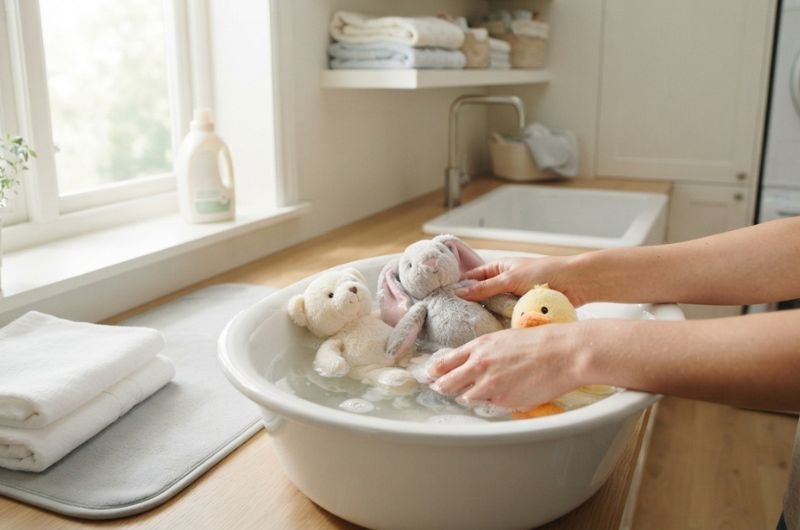
How to Clean Bath Toys
Bath toys look greasy because they fit in water. However, water can be squirted into small holes inside some cartridges. When the water remains internal, the mold can also be extensive. Drain all water from the toy after bath time. Rinse with clean water as appropriate. Inspect bath toys for black spots, odors, tears or trapped water. If a toy cannot be cleaned properly, replacing it. Parents should also make the garage area available for bath games. A greasy toy can get dirty again if it is stored away in a humid place.
How Often Should Baby Toys Be Cleaned?
There is no cleaning routine for every toy. It depends on how regularly the toy is used and what kind of toy is missing. Toys that children chew on or put in their mouths also want more general cleaning. Toys that are used throughout eating can also get dirty quickly. Toys that are used outdoors need to be cleaned when they become visibly dirty. How to Clean Baby Toys is important after illness.
Shared toys should be cleaned more often especially when the children get sick. A simple repeat of cleaning can make this task easier. Parents can often clean up used toys as part of their chores. Knowing where children’s toys are kept is helpful. Knowing when to clean them is also important. Clean toys when they are visibly soiled, after spills after infections and whenever you wish.
Soap, Water, and Cleaning Products
Soap, water and cleaning products For many washable toys, medium cleaning soap and water is sufficient. Now, you don’t always need strong cleaning agents. Strong products can also go to waste. They can also damage some toy surfaces. Always follow the toy manufacturer’s instructions. If the commands tell you to use a positive correction method, follow that tip. Parents should also keep cleaning supplies away from infants and children. Store them in a stable area. Simple cleaning is often less complicated and safer than using multiple items.
What to Do After a Baby Is Sick
In addition to toys, more attention may be needed when the child has some other childhood illness. Sometimes, saliva, mucus, and various fluids can get on the toy at some stage during this time. Clean dishwasher-friendly toys through a step-by-step process with their care instructions. For non-washable toys, dry them gently the right way. How to Clean Baby Toys helps reduce dirt buildup.
Shared toys should be cleaned earlier than different children. But the exact cleaning method depends on the fabric. Soft toys might need washing, and digital toys need efficient floor cleaning. Clean baby toys after an infestation. Focus on thorough cleaning. Avoid strong chemicals. Always check toy labels first.
Mistakes to Avoid When Cleaning Baby Toys
I see many people making this mistake by using too much water. This mistake can damage wood and digital toys. I also see another mistake. People use chemical products without checking if they are safe for the fabric. This mistake can lead cleaners to damage paint, plastic or fabrics. I advise parents to avoid putting every toy in the washing machine or dishwasher. How to Clean Baby Toys makes toys safer to handle.
This mistake can harm your toys. Only appropriately labeled toys need to be cleaned in this way. However, do not return the toy to your child until it is wet. Give it enough time to dry absolutely. It is also essential to ignore damaged toys. Cracked plastics, loose elements, and broken pieces can present safety hazards. These simple factors make it much easier to find your way to accessible baby toys. How to Clean Baby Toys can become a simple routine.
Keep Baby Toy Storage Clean
Clean toys want a suitable place for the garage. Dust and dirt can accumulate in toy containers and baskets. Clean near storage regularly. Remove the vintage dust and dry within appropriately. Now, don’t put wet toys in closed bins. Let it dry first. Try to keep toys off floors whenever possible. If a toy falls on the floor smooth it out before giving it back, to your child. Good storage keeps dust out of toys. It also makes daily cleaning easier.
Make Toy Cleaning a Simple Routine
You don’t need hours to clean toys. Short iterations can make it less complicated. At the end of the day review the toys your child uses most often. Look for food, dust, or other visible clutter. Clean the toys that need attention. Keep dry toys in a clean garage area. Once a week, mom and dad can also check unused toys every day. This can protect you from dirt buildup. The goal is not to make every toy completely sterile. The goal is to keep the toy moderately smooth and safe for normal use. Knowing a way to lubricate baby toys can make daily care easier, not more stressful.
When Should You Replace a Baby Toy?
Cleaning cannot restore every toy. Some toys are risky because of injury. Look closely at antiquities. Look for cracks, loose buttons, broken edges, peeling paint, or small pieces. If the toy has a damaged part that your child needs to pick up or swallow, stop using it. Also, look out for toys with batteries. If the battery compartment is broken or cannot be approached conveniently, keep the toy away from youngsters. Parents must follow the age signs on the playground.
A Simple Cleaning Approach for Busy Parents
Parents are always busy. Childcare can take up most of the day. A simple cleaning machine is simpler to maintain. Clean cloths and medium soap are available for clean toys. Clean them when they are dirty rather than staring at a massive cleaning day. Wash greasy toys step by step with care labels. Dry wooden toys gently. Keep electronic toys out of the water. This process saves time and can keep a child’s play area sparkling.
Conclusion
Children’s toys are used every day. The children make contact with them, cut them and occasionally drop them on the floor. Therefore, daily cleaning is an important part of approaching a smooth game. Parents don’t want complicated techniques. Mild cleaning soap and water are sufficient for many detergent-friendly toys.
Other toys require dry or gentle cleaning methods. Always check the care instructions first. There could be special wishes for plastic, materials, wood, car games and electronic games. Knowing how to clean baby toys allows dad and mom to create easy and safe cleaning routines. With regular care, toys can live cleaner, last longer and be extra comfortable for children to experience.
Frequently Asked Questions
1. How often should I clean baby toys?
Clean children’s toys when they are visibly dirty. Children may want to be cleaned more often in addition to the toys they chew on or use throughout the meal. Shared toys may also require further cleaning.
2. Can I use soap and water to clean baby toys?
Many cleanable toys can be cleaned with a little soap and water. However, often check the manufacturer’s orders first. Some wooden electronic toys may not be wet anymore.
3. How do I clean soft baby toys?
Check the care label first. If the toy is machine washable, follow the recommended washing instructions. For non-washable toys, gently wipe the surface and let it dry completely.
4. Can I put baby toys in the dishwasher?
Only put a toy in the dishwasher if the manufacturer says it is dishwasher safe. High heat and water can damage some toys.
5. What should I do with a damaged baby toy?
Stop using the toy if it has cracks, loose components, damaged borders, or any other damage that creates a savings opportunity. Cleaning can no longer guarantee a damaged toy.