

A child’s food is an important part of their formative years. A baby needs proper food and milk for healthy growth. Every child is different, but mom and dad need an easy understanding of diet and food. A desirable eating habit helps children feel good. During the first few months, babies drink breast milk or formula. As children develop, their need for food slowly increases. Baby Feeding Schedule by Age is easy to follow.
They begin to learn new tastes and textures. Parents want to understand these adaptations. The baby’s feeding plan helps parents understand what kind of food is appropriate. It gives basic ideas about milk, solid food, meals and nutrition. But every child grows at a kind of rate, so small adjustments are quite regular.

Feeding Newborn Babies
Newborn babies need good milk to grow. Breast milk is very important for them during the few weeks because it has a lot of vitamins. If you want, you can also give them formula milk. Newborn babies have stomachs, so they need to eat all the time. Most babies eat all day and all night. They can even want to eat in just a few hours. You should look out for signs that your baby’s hungry such, as when they cry . When you see these signs, it usually means that your Newborn babies are hungry. Currently Newborn babies do not need water, juice or solid food. They are still.
Feeding Babies Around Three Months
When babies are around 3 months old, feeding patterns can also end up being simpler. They still rely on breast milk or way as their main food. This allows them to exchange their food collectively. Parents should no longer compare one child to another .The children end up more animated during this program. They walk more, smile and react to humans. Good vitamins are able to support their physical and mental development.
Feeding Babies Around Six Months
In six months, many children are well equipped to try strong material. This is an exciting title as children begin to explore new flavors. Milk is still important, however small amounts of solid food can be provided. Parents should start with gentle and light meals. The food should be smooth, so the child can swallow, and gentle. New material should be introduced slowly. This allows parents and parents to talk if the child has any reaction to positive food. Food is not the most effective when it comes to vitamins at this age. Such is the expertise.

Starting Solid Foods Safely
Caution and attention are required when starting with solids. Infants must sit pretty much throughout the meal. This can reduce the threat of choking. Parents should always see their children, even when they are eating. New material should be taken in one at a time. This makes it less difficult to tell which subjects your child likes or dislikes now. Some children are introduced to new foods quickly, while others want extra time. In the beginning, food quantity is not always the main focus. It is even more important to learn and try new foods. At some stage of the initial feeding phase, milk provides the number of vitamins.
Creating a Healthy Feeding Routine
A simple way of eating makes life easier for kids. They can understand what happens every day. When you feed your children at the time every day it helps them feel safe and happy. You can plan, for feeding your children based on when they’re hungry and when they sleep. Flexibility is important for mom and dad and children. Practicing healthy eating starts early. When children experience calm and wonderful food, they can develop good eating habits.
Baby Feeding Schedule by Age
Feeding Babies from Seven to Nine Months
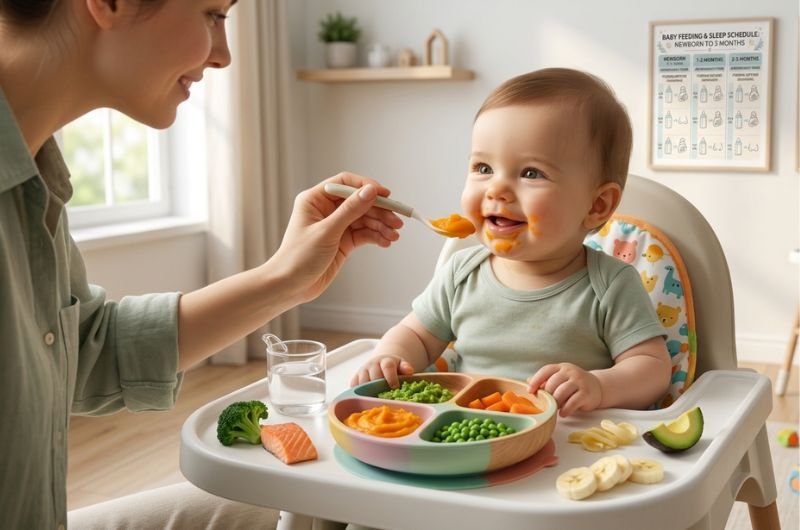
When babies are seven and nine months old, their consumption habits gradually change. They may need formula or formula, but solid food grows to be a bigger part of their daily routine. Children begin to try more flavors and certain textures at some stage during this time. Children of this age can also eat mild substances such as mashed vegetables, end fruits. Many children are more interested in food around this stage. They may also try to hold the food, meet it, or even tamper with it as consumers. This is part of shared ownership. During mealtimes, children can improve their hand skills and understand food. Baby Feeding Schedule by Age guides new parents easily.
Feeding Babies from Ten to Twelve Months
Babies that are between ten and three hundred and sixty-five days old have a lot of energy. They are very curious. They start to eat kinds of food. Babies can eat food that’s a little bit rough because they can chew better now. Children who are this age can eat amounts of soft food. They like to touch their food with their hands. This helps them do things by themselves. Parents should still sit with their children when they eat so they can stay safe. Baby Feeding Schedule by Age changes as babies grow.
Baby Feeding Schedule by Age for Growing Babies
The infant feeding schedule changes as the infant grows. The infants will want milk when they are younger. As the infant gets older, they will need solid foods. Understanding these changes in the infant feeding schedule makes it easier for mom and dad to take care of the infant. Every infant has times when they are hungry. Some infants eat a lot of food. Baby Feeding Schedule by Age improves meal planning.
Some infants eat very little food. Parents should give the infant food and not force the infant to finish all of their meals. A good diet, for the infant includes milk, healthy food and meals at the same time every day. The infant has a lot of energy because the infant wants to learn things and play. Baby Feeding Schedule by Age includes milk and solids.
Feeding Babies After One Year
After one year, children usually eat extra family meals. They can enjoy many healthy meals with proper exercise. Their food samples are against the slackness of their families. Parents try to create a beneficial food environment. Children may also refuse food from time to time. This is normal. Their appetite can vary from daily to daily. Parents should be calm and provide healthy options. Baby Feeding Schedule by Age helps meet nutrition needs.
Importance of Milk During Baby Growth
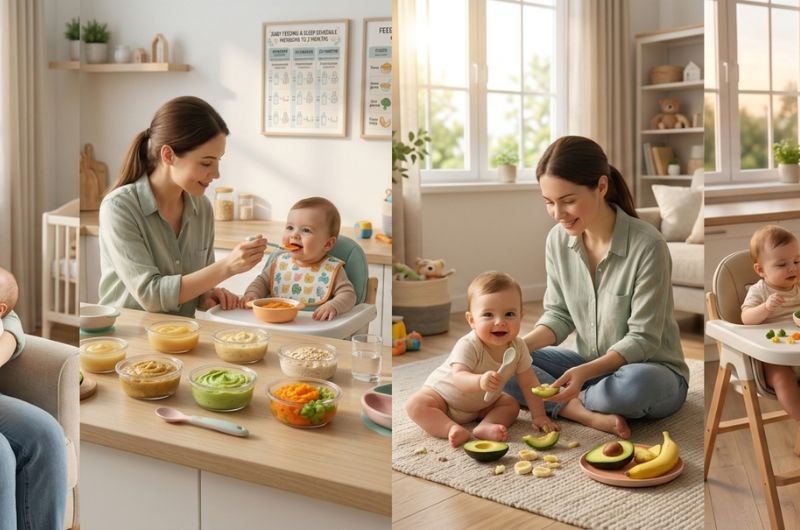
Milk plays an important role in the first 12 months of life. Breast milk and formula provide essential vitamins. They also support the normal development of the baby’s immune system. When babies start eating solids, milk does not disappear without delay. Baby Feeding Schedule by Age builds healthy habits.
It is supposed to help those who fed them. The amount of milk can also change depending on the age and intake habits of the child. Parents need to understand that food and milk work together. Both help children become stronger and healthier. Baby Feeding Schedule by Age makes feeding simple.
Signs That a Baby Is Ready for More Food
Infants show unusual signs when they are equipped with new food. They may sit down with extra help, show interest in food, or try to catch what others are serving. These symptoms can help mom and dad recognize when a new layer needs to be introduced. Baby Feeding Schedule by Age reduces feeding confusion.
But every child develops differently. Some children may be ready earlier, while others may need more time. Parents must observe the child’s improvement and desires. A gradual and careful approach makes eating less difficult. This makes the kids feel comfortable and enjoy their meals. Baby Feeding Schedule by Age fits every stage.
Common Feeding Mistakes Parents Should Avoid
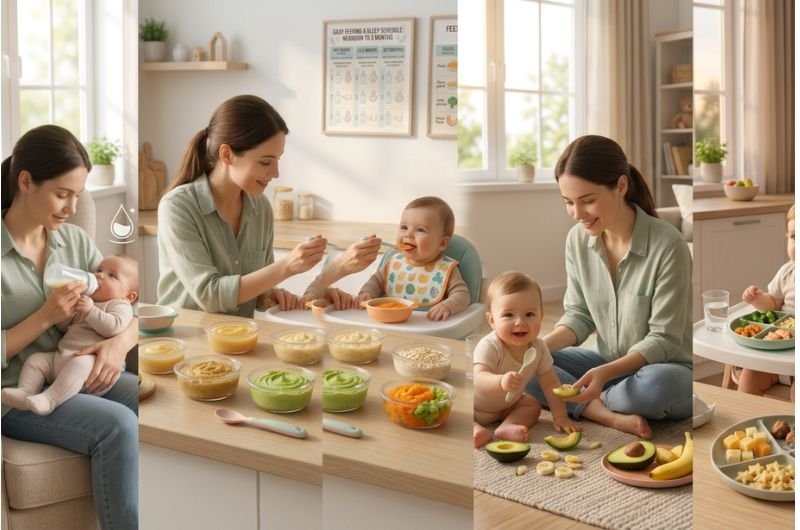
Mothers and fathers worry about what their children eat. They want their children to eat a lot so they make mistakes. One big mistake mothers and fathers make is forcing their children to eat. Children need to learn when they’re hungry and when they are full. Baby Feeding Schedule by Age promotes steady growth.
Mothers and fathers also make another mistake. They give their children many new foods at the same time. It is better to give children one food at a time. This way mothers and fathers can see how their child reacts to the food. Simple foods, like herbs, are good for children to eat.
Making Mealtime Easy for Babies
Feeding a baby can be really tough, for a dad and a new mom. Babies have their special needs and what they want changes as they get bigger. When babies and parents have an regular feeding time it helps the baby and the parents feel calm. Baby Feeding Schedule by Age balances feeding times.
Parents should make sure everything is peaceful when it is time to eat. A quiet place makes it easier for children to take note of their income. Avoid rushing, as babies need time to find new food. Meals are also an introductory pleasure. They are slowly learning how to eat different foods. Patience can be very important at some stage in this stage.
Healthy Food Choices for Babies
Healthy food helps children grow strong. Children need components that provide strength and help improve themselves. Fresh and convenient meals are regularly favored by young children. A variety of foods brings a good blessing. While some organs help with growth, others also help with energy and body energy. By offering very few foods, children can research healthy eating habits. Baby Feeding Schedule by Age supports better routines.
Understanding Baby Hunger Signs
Infants talk about their needs in an unusual way. Signs of hunger may include switching fingers, opening your mouth, making noises. Knowing these signs makes it easier for both mom and dad to eat at the right time. Crying is also a sign of hunger but is able to indicate that the baby is already very hungry. The custom might be less complicated by eating earlier than by crying strong. Parents should also observe when their children feel satisfied. It may mean withdrawal, mouth, loss of interest in food or moreover the child has had enough.
Building Good Eating Habits Early
Good eating habits start when we are kids. When kids, like food they will try other good food too. Parents help kids do this by being an example. Eating healthy does not mean we have to eat the food every single day. Some days kids eat a lot of food and some days they do not eat much food. The body takes care of this. It is okay. Kids and food is something that parents need to think about when kids are eating healthy food
Feeding Safety Tips for Parents
Children need help with feeding they cannot do it by themselves. The food should be the size and feel for how old the child is. If the food is too hard or too big it is hard for children to eat. Soft food is usually easier for little kids to eat. Parents should be careful when they give their children food
The Role of Parents During Feeding
Parents sometimes guide their children on their food journey. They provide food, help, and encouragement. A good attitude could make eating more enjoyable. Infants refuse every meal. This prevents them from constantly disliking the food. They may need to test it publicly before they admit it. Parents avoid stress over meals.
Conclusion
Slowly start eating solid foods. As the child gets older, they go through stages of growing and learning. There is no one diet that is right for every child. Each child. Develops at their own speed. Parents should give their child the things they need based on what the child’s like.
A good diet has the kind of milk, healthy food and a way of eating that is safe and gives the child energy to keep going. If parents show their child love and care they can help the child develop eating habits that will last a long time. The child will learn to eat food, and this will help them in the future. A good diet with food is very important for the child.
Frequently Asked Questions (FAQ)
1. What is the best feeding schedule for a newborn baby?
Newborn babies mainly need breast milk or formula milk. They usually feed many times during the day and night. Parents should feed based on hunger signs.
2. When can babies start eating solid food?
Many babies start solid foods around six months. Parents should look for readiness signs and introduce foods slowly.
3. How often should a baby eat solid food?
The amount and frequency depend on the baby’s age and development. Younger babies usually eat small amounts while learning.
4. Can babies drink water with solid food?
Babies’ water needs depend on their age and diet. Parents should follow safe feeding guidance and ask a healthcare professional if unsure.
5. What should I do if my baby refuses food?
Food refusal is common. Parents should stay calm and continue offering healthy foods without forcing the baby. Babies may need time to accept new tastes.