

Who determines the desire to give children healthy and safe food. The first few months of strict dieting can be exciting, but they also raise many questions. One uncommon challenge is food allergies. A child may get a reaction to new food, and this can happen very quickly within minutes or hours after eating the food. If parents notice the signs of a reaction early, they can do something about it and keep their child safe. Baby Food Allergy Symptoms can appear after eating.
Food allergies are not the same as when a child can’t eat a certain food. When a child has a food allergy their immune system is affected, when they are intolerant of food it usually affects their stomach and digestion. A child with a food allergy might get a rash or their skin might get red and they might throw up swollen. Have trouble breathing after eating a meal. Some of these reactions are not very serious. Baby Food Allergy Symptoms may include skin rashes.
Others are very serious and the child needs to see a doctor right away. This brochure will explain food allergies and how to spot them in children. It’s designed to be easy to understand. You will learn to spot early symptoms. You will see which substances trigger allergies. You will also learn how to safely add new foods. You can also reach out to a doctor. The goal is to help parents feel more confident during the infant feeding journey. Baby Food Allergy Symptoms can cause red or itchy skin.
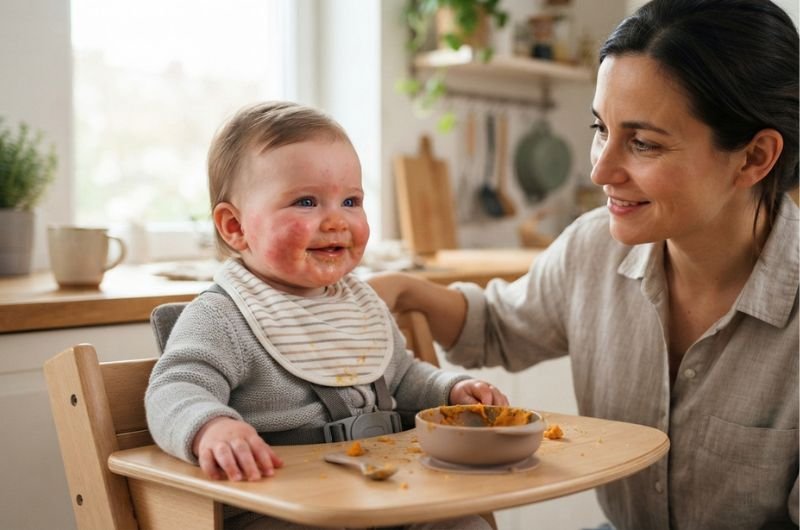
What Is a Baby Food Allergy?
A child has an allergic reaction to food when the immune system mistakes the food for danger. Instead of accepting food as usual, the carcass reacts in opposition to it. This reaction can impact the skin, pores, stomach, breathing, or other body parts. Even small amounts of food can cause symptoms in a few children. Baby Food Allergy Symptoms may include swelling.
Food allergies at a young age are more common because kids boost their immune systems anyway. Many young people outgrow benign allergies as they age, but some may last into adulthood. Early identification is key. It helps parents avoid unhealthy eating habits and find the right treatment. Not every reaction after ingestion is an allergic reaction. Baby Food Allergy Symptoms may include diarrhea.
Children sometimes get upset with tummies. This can happen when they eat too much rich food early on. Knowing what your child eats can help you narrow down your style. Parents must be vigilant if they are to be aware of the possible consequences. Panic can undoubtedly make guessing more difficult. Noticing signs and symptoms is a good first step. It helps you know when to seek help. Baby Food Allergy Symptoms can cause stomach discomfort.
Baby Food Allergy Symptoms You Should Know
The most common signs and symptoms of a baby food allergy reaction are in the pores and skin. The rash may also extend to the neck, chest, or hands. These pores and skin changes appear soon after eating food regularly. Some babies show signs of digestion, probably pores and skin problems. People may throw up diarrhea repeatedly or feel weird after eating food.
Food can also make their stomach feel bloated hurt much that they cry or not want to eat food again. Don’t ignore these food symptoms. Pay attention, especially if they happen after eating fresh food. Swelling is another important warning sign. Your baby’s lips, tongue, eyelids, or mouth may swell for a short time after overfeeding. Even a small swelling deserves attention because it appears more severe from time to time. Baby Food Allergy Symptoms may include coughing.
Parents should carefully monitor all breathing opportunities. Respiratory symptoms usually happen away. These things can also be signs of bad allergies. If a child looks pale, feels sleepy, or has trouble breathing, they must go to the hospital right away. When we act quickly, we can save lives. Respiratory symptoms are serious. Need to be treated fast. Baby Food Allergy Symptoms can affect breathing.
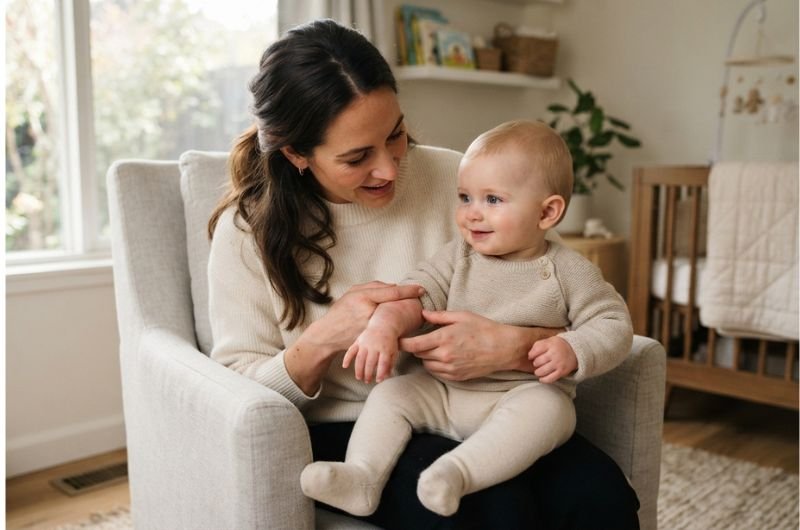
Mild vs Severe Allergy Symptoms
Not every food allergy reaction is serious. Every food allergy reaction should be looked at. Sometimes the symptoms are not so bad. You might get hives or the skin, around your mouth gets red or you get itchy. When this happens, the child is usually fine. Can breathe normally. Talk to a doctor or healthcare professional. This is important, even if the symptoms aren’t serious. Baby Food Allergy Symptoms may appear quickly.
A mild food allergy can lead to a lot of hives, repeated vomiting, or swelling of the lips and eyes. When a child has a bad reaction to something they are allergic to it, it is called anaphylaxis. The child needs help with anaphylaxis away. The child with anaphylaxis might have trouble breathing. Their tongue could get swollen with anaphylaxis. A child with anaphylaxis might not cry like they usually do. The skin of the child, with anaphylaxis could get all red and bumpy. They might be way too sleepy. These things are very serious. Need to be taken care of immediately. You should never just.
See if they get better on their own. It is important for parents and the people taking care of the child to know what is going on. They need to understand what is happening when the child is having a reaction or a severe reaction. If the child is having trouble breathing or their body is getting swollen, they need to get help away. Going to care is usually the first thing you should do when these things happen. Baby Food Allergy Symptoms can vary by baby.
Common Foods That Cause Allergies in Babies
Some ingredients cause allergic reactions more often than others. Eggs are one of the most common catalysts early in life at some unspecified time in the future. A child may also react externally to a boiled egg for the first time. Symptoms appear quickly and may extend to rash, vomiting, or swelling.
Cow’s milk is a common allergen for another. Some babies have a reaction to dairy products that contain yogurt, cheese, or cow’s milk protein. The reaction may also affect the skin in the pores, nausea or shortness of breath. Parents should speak with the pediatrician. This is important if the child has allergic reactions and is breastfed. Peanuts and tree nuts are also very popular. Modern medical advice mostly says to introduce peanuts to children at the right age. But it must be done correctly. Baby Food Allergy Symptoms can cause facial swelling.
Children who are in high probability may also require scientific handling before creation. Parents should never take a whole peanut formula because they argue suffocation. The correct information is that many young people tolerate this material well. The key is to introduce new foods one at a time, so it is less difficult to stumble on any feedback. Baby Food Allergy Symptoms may include hives.
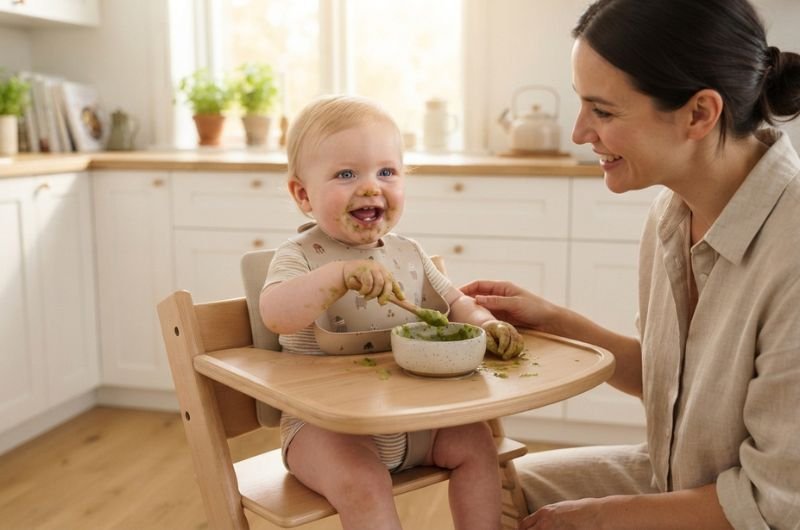
Why Some Babies Have Food Allergies
Doctors now do not understand the purpose of food allergic reactions. Inheritance is an important complex. If the mother, father or siblings have allergies, asthma, the child can get food allergies. This can happen due to family history. This does not mean that now the child will grow up to be honestly allergic, but the risk could be better. The immune system is another part. When a child is young the body is still learning how to react to food and things in the environment. Baby Food Allergy Symptoms may need medical attention.
There are still many questions left. Skin issues like eczema can also be connected to reactions to food. Babies with severe eczema are more likely to have strong food allergy reactions. This is one of the reasons why doctors often ask about skin and pores during feeding discussions. Parents should know that allergic reactions to food are not caused by parenting. Some diseases can show up, even when parents pick ingredients carefully. Baby Food Allergy Symptoms should not be ignored.
How to Introduce New Foods Safely
Introducing food to your baby is a very big deal. You should do it slowly. When you give your baby food, wait for a few days before giving them something else. This way it is easier to figure out if your baby has a problem with food. Pick a time when your child is feeling good and is awake to try food. Baby Food Allergy Symptoms can be mild or severe.
Early morning or late afternoon works best. Parents can check for symptoms then. Avoid giving new foods just before bedtime; reactions can be harder to manage. Start with small amounts. When you are giving your baby food for the time one or two small scoops of food is usually enough for the first taste. If your baby is doing well with the food the amount of food may slowly increase over the few days. Baby Food Allergy Symptoms may happen after new foods.
There is no need to rush when it comes to your baby and food. You should establish a routine with light meals in the first months of eating solids. It is an idea to write down the food your baby is eating on the date and any symptoms you notice your baby is having. If the therapist needs details later about your baby and food, this note can be very helpful for both. Baby Food Allergy Symptoms are important to recognize early.
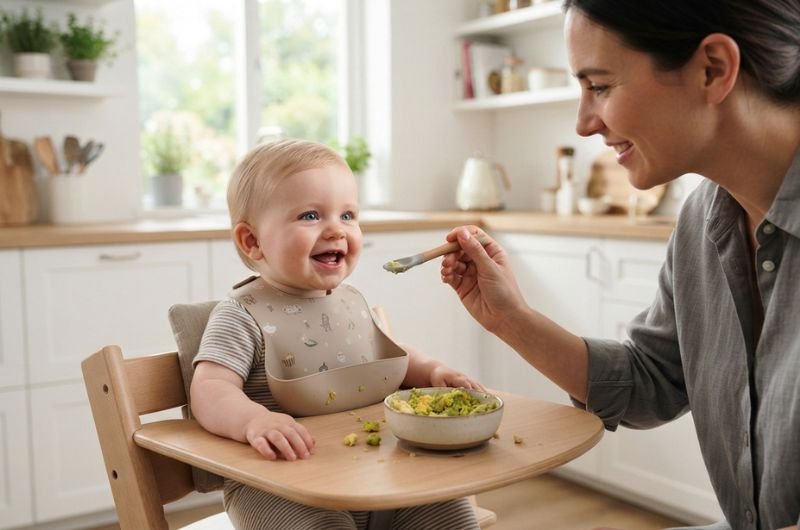
What to Do If Your Baby Has an Allergic Reaction
If your baby gets a rash or a few bruises stop giving the food right away. Stay calm. Watch your baby very carefully. Take pictures of the burn. These can help doctors see what happened later. If the baby throws up again. There is swelling, get help from a doctor as quickly as possible. Do not eat the same food again until medical advice is obtained. Giving everything away can also raise the risk of another reaction. Baby Food Allergy Symptoms can help parents act quickly.
Call emergency services. They can help if your baby shows serious symptoms. After your baby has a reaction, you should go see your baby’s doctor so you can set up a time for the doctor to check on your baby. The doctor might suggest allergy tests for your baby. Alternatively, your baby may need to see a specialist who knows a lot about allergies. It all depends on your baby’s situation. Baby Food Allergy Symptoms should be discussed with a doctor.
Food Allergy vs Food Intolerance
Many fathers and mothers mix up a response, with intolerance, however they might not be the same thing. Food allergy reactions involve the system and can be dangerous. Even tiny amounts of the problem food can cause issues. You might feel bloating, swelling, or have trouble breathing. Food intolerances usually impact the system. Baby Food Allergy Symptoms may include a runny nose.
Your child might have a lot of gas, bloating, loose stools or stomach pain. The immune system does not get involved. Intolerance can make children feel bad. It usually does not cause swelling or breathing problems. Intolerance makes children feel bad. It usually doesn’t cause serious swelling. It also doesn’t lead to breathing problems like it does with the immune system. The preparation is also special. Baby Food Allergy Symptoms can cause sudden discomfort.
Hypersensitive reactions to foods need careful avoidance. They also require management. Food intolerances may increase as the digestive system grows. A doctor can help find out which conditions affect the child. Parents should refrain from diagnosing a disease on their own. Professional evaluation is the surest way to determine the cause of recurrent reactions. Baby Food Allergy Symptoms may affect the skin.

Tips for Parents During the First Year
The first year is the ownership period for each parent and child. Introducing new foods slowly. This may help reduce confusion. It’s especially useful if symptoms show up. Thinking about too many things quickly is not a compliment. A calm and conventional technique is generally very desirable.
When you are buying things for your baby you need to read the labels on the products carefully. Some packaged foods may contain allergens like dairy, soy, or sesame seeds. Knowing what’s in your food helps keep your children safe from getting sick. If your child has an allergy, let the grandparents, babysitters, and daycare staff know. When breastfeeding, it’s important for everyone to know which foods are safe for your baby. Baby Food Allergy Symptoms can happen after certain foods.
They should also watch for signs of a bad reaction. Be aware of what your baby eats. Make sure they avoid dairy, soy, and sesame seeds. These can cause allergies in babies and small children. Good language changes keep young people safe on special occasions. Most importantly, remember your attitude. Parents often say the word when something is out of the ordinary with their child. If the reaction seems unusual or too strong, it’s best to seek medical advice. Baby Food Allergy Symptoms need careful attention.
Conclusion
Finding baby food allergies early helps keep your child safe. It also lowers the risk of serious reactions. Parents should look for signs. These include skin rashes, hives, vomiting, swelling, and breathing changes. While many reactions are mild, some need urgent care, so knowing the difference is key. Introduce new ingredients slowly. Keep a food journal. Talk to your pediatrician about any suspected reactions. These steps are simple but effective. Many children outgrow food allergies. With the right medical help, they can stay healthy.
FAQs
1. How quickly do signs and symptoms of an allergic reaction to baby food appear?
Most baby food allergy symptoms show up within minutes. They can also appear up to two hours after eating the trigger food. Some reactions might take longer, especially digestive ones. So, it’s important to watch your baby closely when you introduce new foods.
2. What is the most uncommon symptom of food allergy in children?
The most unusual sign is a skin reaction. This includes hives, redness, or a burning sensation around the face and mouth. Some children may also have vomiting or bloating. This can depend on the food and how severe the allergic reaction is.
3. What foods are the most common cause of allergic reactions in young children?
Common food allergens in kids are:
Eggs
Cow’s milk
Peanuts
Tree nuts
Soy
Wheat
Fish
Shellfish
Sesame
Not every child reacts to these foods, but they are the main triggers.
4. Should we stop giving solids after hypersensitivity?
You need to stop feeding the suspect, but now you don’t want to keep stopping all the solid material. Contact your pediatrician for guidance before expecting to reintroduce food. Keep introducing other foods the child has handled well. Do this unless the health care provider says not to.
5. Can a child grow out of an allergic reaction to food?
Many children outgrow allergic reactions to eggs, soy, and wheat by puberty. Some hypersensitivity reactions can become serious over time. It’s important to see a healthcare professional first. They should observe you before you test or reintroduce any allergenic foods.