
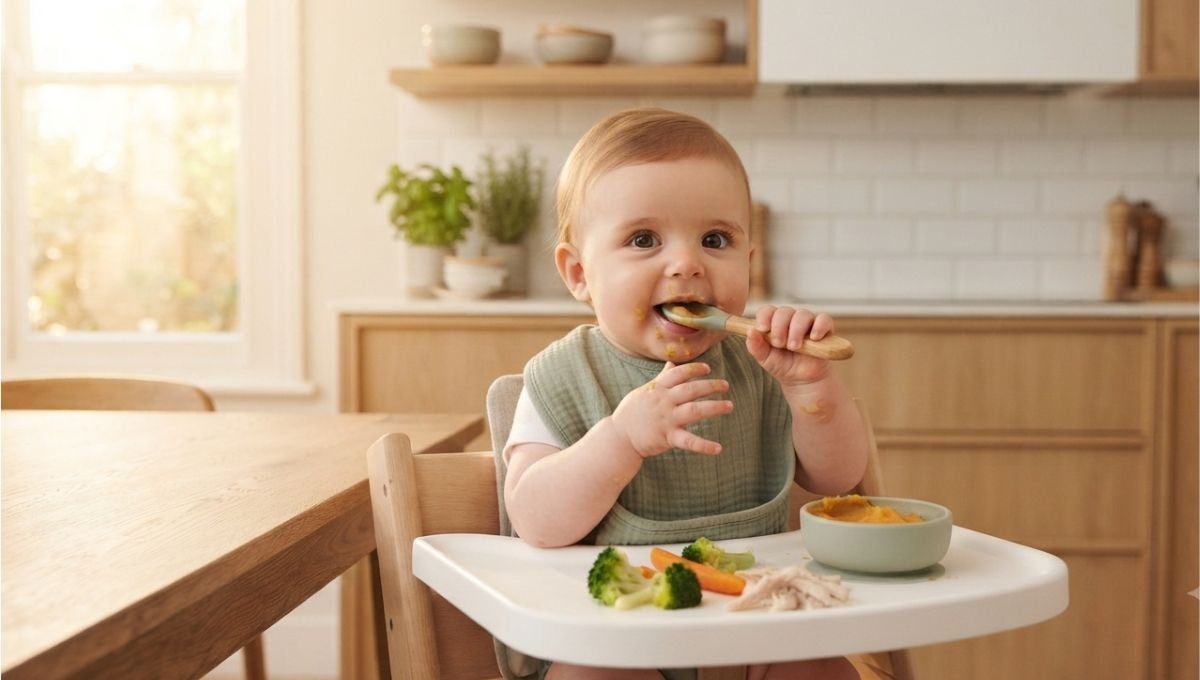
When babies are six months old, they start to get solid food, and this is a big deal for them. At this age babies start to try food, and they like to see what things look like and feel like. This is a step because solid food has many benefits. It contains vitamins that help them recover when they’re sick and stay healthy. Many parents are happy and a little worried at the time.
This guide will tell you about first foods for babies in a way that is easy to understand. It will help you know what foods are good for your baby to start with and how to make mealtime fun and not scary. Best First Foods for Babies can support healthy growth.
Why First Foods Are Important
The first 12 months of life are one of the fastest growth periods. Children need good nutrients. They help build strong bones and healthy muscles. A strong immune system is also important. Together, these support their mental growth. For about six months, formula or formula provides almost all the vitamins your baby needs. This is why it will be important to identify solid materials. Best First Foods for Babies are soft and easy to eat.
The first food additionally helps babies learn to chew, swallow and enjoy a kind of texture. Each new meal makes it easier for them to improve their eating skills and confidence. Parents must remember that breast milk or formula is the main source of vitamins for the first 12 months. Solid food is slowly introduced as milk feeding continues.
Best First Foods for Babies
Choosing the first foods for babies does not have to be difficult. The best first foods for babies are smooth and simple and easy to digest. The best first foods for babies must also give babies the nutrients that babies need to grow. Parents should give babies food every few days. Best First Foods for Babies include nutritious options.
This way parents can see if babies are allergic to food or have a reaction to food. There is no first meal for babies. What parents wish for is a meal that’s healthy and clean and right for a baby’s age and how much a baby has grown. The best first foods for babies are important for babies to eat. Best First Foods for Babies help start solid foods.
Iron Fortified Baby Cereal
Baby cereal that has iron in it is something that a lot of babies have when they are first starting to eat food. Many doctors who care for kids say that baby cereal is important. Babies need more iron after six months. You can mix baby cereal with the milk from your breast or with formula to make it smooth. Baby cereal is easy to make for babies. You can mix it with breast milk or formula to get the right texture.
As the kids make extra comfortable portions, Dad and Mom can slowly thicken the cereal. Iron helps improve a healthy mind and helps carry oxygen in the body’s circulation. Regular iron supplementation is important during this rapid growth phase. Baby cereal is simple to make and clean for newborns to eat.
Soft Fruits for Beginners
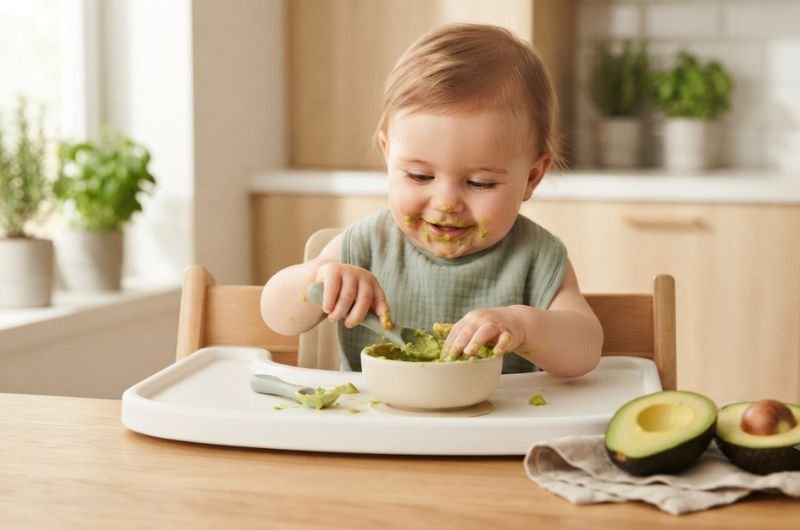
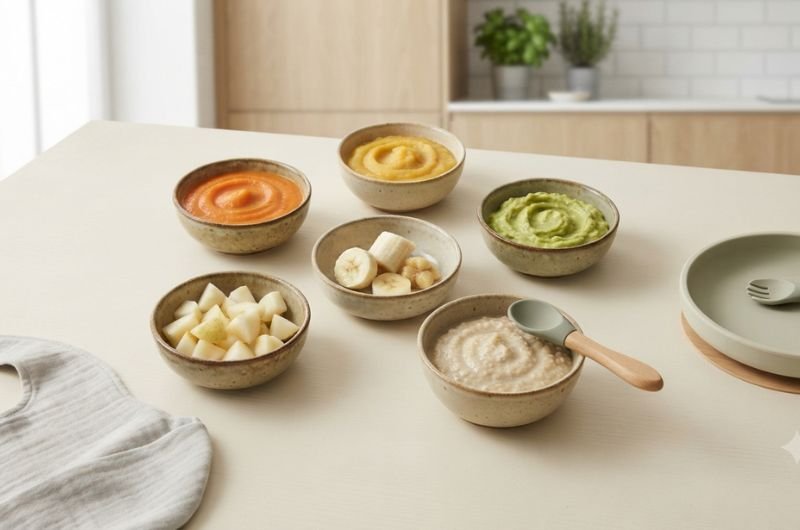
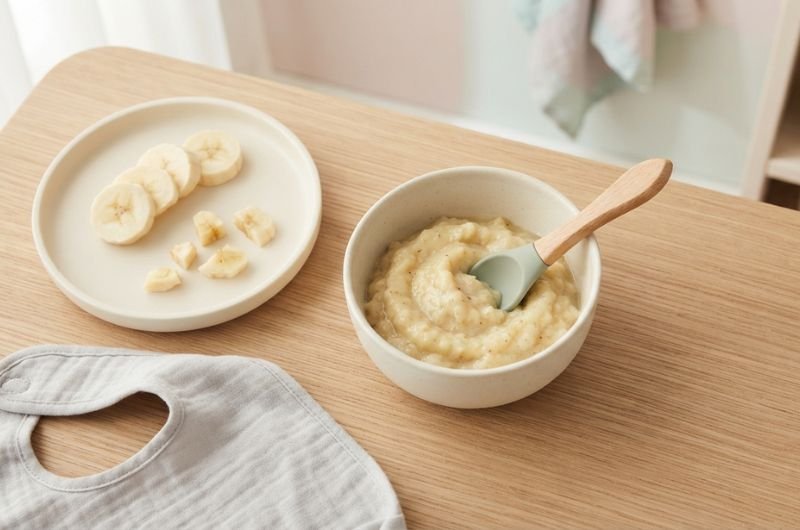
Soft climaxes make great first foods. They’re sweet and packed with vitamins. Bananas are one of the simplest ending results for children. They are gentle, clean to chew and rich in potassium. Many toddlers enjoy its soft taste. Avocados are another healthy option. Fruits such as apples, pears, peaches, and mangoes have fats. Best First Foods for Babies can provide key nutrients.
These facts help children’s brains grow and develop. Ripe apples and ripe pears and ripe peaches and ripe mangoes can be ground into a pure. These fruits give you vitamins and fiber. They also taste sweet, with no added sugar. Parents should always make sure that the fruits are soft enough, for the age of the child who is eating fruit. Best First Foods for Babies should be easy to digest.
Healthy Vegetables for Babies
Sweet potatoes are the first vegetables to try. They are very sweet and tender when you cook them, and they have a lot of things in them that are good for your body. Many vegetables are good for kids. Some examples are pumpkins, carrots, squash, peas, and baked potatoes. These vegetables are soft when you cook them and you can mash them up into a paste that is easy to eat. Best First Foods for Babies can include mashed fruits.
When you are cooking for your kids, you should not add salt or butter or sugar to the vegetables. Kids like it when their food tastes fresh and clean and it is better for them if you do not add a lot of things to their food. Sweet potatoes, pumpkins, and carrots are great choices. They’re all naturally sweet and tasty.
Signs Your Baby Is Ready for Solids
Children are not ready for food at the same age. Parents should not look at a calendar to find the time for solid food. They should look for signs that their child’s ready for solid food. A child who can sit up with some help is often ready to eat. If they can keep their heads steady and look interested while the family eats, it’s a good sign. Best First Foods for Babies can include soft vegetables.
Some children will also open their mouth when you offer them food or try to grab food from their plate. These are signs that the child’s ready for solid food. Waiting until the child is ready for food makes it easier and safer to feed the child. Solid food is easier and safer when the child is developmentally ready, for food.
Healthy Food Choices and Feeding Tips
Understanding Food Textures by Age
As children grow, they also must trade emotions in food. This allows them to learn how to chew, swallow, and enjoy certain food styles. At six months, babies usually start with pure purees and soft flour ingredients. Best First Foods for Babies help build healthy habits.
These textures are smooth to swallow because the kids have managed to consume anyway. Around seven to eight months, parents can start to give thicker meals with small, soft kibble. This helps children grow stronger cheeks and finish more neatly with unique texture. These foods are great for babies.
They help them learn to feed themselves and improve their hand and finger skills. At eleven months, which is three hundred and sixty-five days, kids can eat the same healthy food. This food is what the rest of the family eats. The food should still be soft. Cut into little pieces and it should not have too much salt or sugar in it. Best First Foods for Babies can include iron-rich foods.
Homemade Baby Food
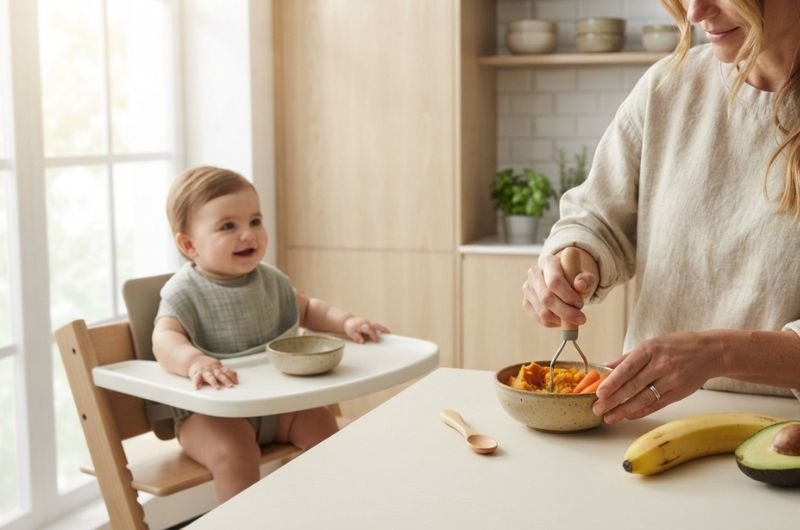
Homemade baby food portions are one of the healthiest choices for households. Parents can make new meals. They can use leftover foods, veggies, whole grains, and protein-rich items. Fresh ingredients are good to add to meals. Homemade meals do not have sugar, salt or fake flavors. Best First Foods for Babies should be served safely.
Making meals for babies at home is not difficult. Cook vegetables until soft, mash ripe and fruit and mix foods that are appropriate for the child’s age. Homemade baby meals can additionally introduce parents to progressively unique tastes. Children will get to know herbal juices. These can also help them enjoy healthy food as they grow. Home delivery services can save you money. They provide tasty, nutritious meals every day.
Foods to Avoid During the First Year
Babies can eat many healthy foods, but there are some they should avoid during their first year. Honey shouldn’t be given to children under 12 months. It might have harmful germs that can make them very sick. Dispensed sugary foods should also be picked up. Of course, children enjoy the surprise of a climax, so more sugar is pointless. Best First Foods for Babies can make feeding easier.
Parents should refrain from adding salt to children’s food. But your child’s kidneys are larger, and too much salt is not healthy. Hard food can cause choking. This includes whole grapes, popcorn, nuts, hard sweets, and large uncooked greens. So, they should not be given. Safe food education matters just as much as picking healthy options.
Creating a Simple Daily Meal Plan
Repeated simple meals help children stay comfortable with feeding concerns. Every child is unique. So, parents should adjust the schedule based on what the child wants. At six months babies usually eat one or two meals a day and continue breast milk or formula. By the age of seven to eight months many babies enjoy two or three meals. Parents can slowly add new foods. Kids will grow more confident in eating.
Healthy Drinks for Babies
Breast milk or formula is still the most important beverage at primary 12 months. It consistently provides most of the nutrition your children need. After starting solid food, mom and dad can give small amounts of water as feedings progress. This is because it has sugar from plants and does not have good things like the whole fruit.
Fresh fruits are good for you. They have things, like nutrients and minerals and fiber that you do not get from fruit juice in the way. When you pick things to drink, like water or milk it helps you eat well and stay healthy. Best First Foods for Babies offer simple meal ideas.
Building Healthy Eating Habits for Life
Helping Babies Enjoy Different Flavors
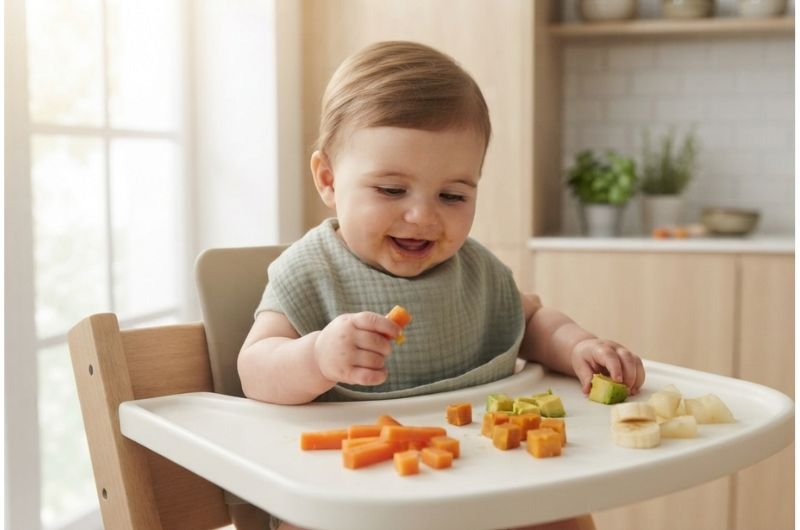
It is obvious that young children are often curious about food. In their first year, trying many unique flavors can help them become confident eaters. Some children experience new foods right away, while others need more time. If the child rejects food a few times before eating, it becomes fully regulated. Parents need to have healthy food presented without pressure.
A food that is rejected today may still be a favorite a few weeks later. It can also help change the way food is prepared. A child who does not like carrots may also have little pieces of other cooked carrots later. Sometimes small changes in how the food feels or looks can make a difference. Patience is what Dad and Mum need when getting their child to eat carrots and other foods.
Supporting Healthy Growth Through Nutrition
Brain development is also very important. It needs balanced nutrients, especially during the first 12 months. Foods high in iron, healthy fats, protein, and vitamins help kids learn and remember as they grow. Parents don’t have to worry about eating right every day. What they should do is try to provide lots of food over time. It’s healthy food choices that really matter, not making sure every meal is perfect.
Building Positive Mealtime Habits
Children learn by watching others. When they see family members eating healthy food, they often want to try it too. Eating together helps children feel safe and comfortable. Parents can smile, talk, and enjoy the meal with their child. A calm and happy atmosphere makes mealtime more enjoyable.
Mealtime should never be filled with shouting or arguments. It should be a peaceful time where everyone feels relaxed. This helps children enjoy eating without stress. Positive feeding experiences during childhood can build healthy eating habits for the future.
Conclusion
The introduction of strong materials is a key milestone. It helps children grow stronger and healthier. Choosing a happy first meal for your kids helps parents build healthy eating habits early on. Simple foods like mashed dishes and cooked greens give kids important vitamins. Iron-fortified grains and whole grains are good too.
Eggs, yogurt, lentils, and mild proteins help as well. These foods add new flavors and keep kids healthy with different ingredients. Every child grows at their own pace. Parents should be patient and explore the property system. Providing safe, nutritious food in a calm, loving space helps families thrive.
It boosts their health, sharpens their minds, and builds lifelong healthy eating habits. The focus in the first year isn’t just on good food. It helps kids learn about healthy eating. They can also create happy memories around meals.
Frequently Asked Questions
1.When should babies start eating solid foods?
Most babies are ready to begin solid foods at around six months of age. They should show signs of being ready. This includes sitting with support. It also means keeping their head steady and showing interest in food.
2.What are the best first foods for babies?
Some great first foods are:
Mashed bananas
Avocado
Cooked sweet potatoes
Pumpkin
Iron-fortified baby cereal
Cooked apples
Pears
Oatmeal
Yogurt
Lentils
Well-cooked eggs
These foods are healthy and easy for babies to eat. They provide important nutrients.
3.How many times should I feed my baby solid foods?
At six months, babies usually eat one or two small meals each day. By nine to twelve months, many babies eat three meals a day. They also have one or two healthy snacks and continue with breast milk or formula.
4.Which foods should babies avoid during the first year?
Babies should not eat honey. They should also avoid foods with added salt or sugar. Whole nuts, popcorn, and hard candy are dangerous too. These foods can increase the risk of choking. Food should always be soft and prepared safely.
5.How do I know if my baby likes a new food?
Some babies like new foods right away. Others need a few tries before they accept them. Continue offering healthy foods patiently without forcing your baby to eat. Positive and relaxed mealtimes help babies become confident eaters over time.