
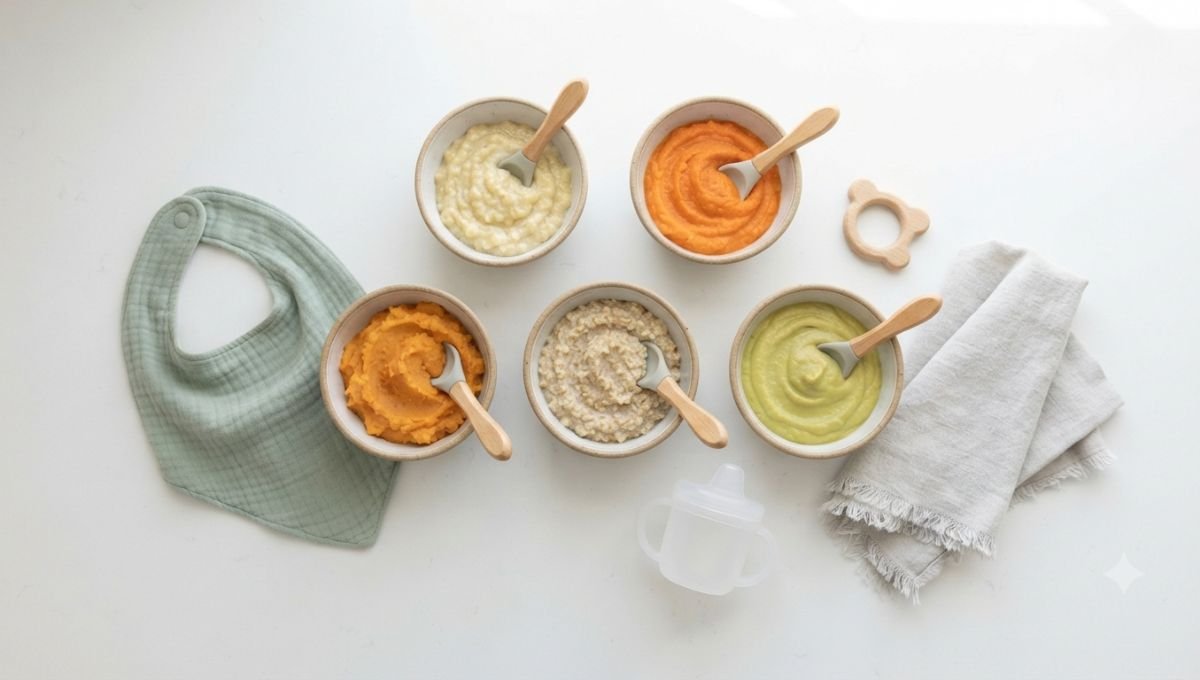
The first year of pregnancy is an important time. During this time babies grow fast and they need healthy food. Between 6 months and one-year babies start to eat food in addition to milk. This is called feeding because they still have breast milk or formula. Many parents worry about what to feed their baby and when to give them food. Baby Food Chart 6 to 12 Months for healthy growth.
They are scared about the size of the food if it is safe and if their baby is getting good things to eat. These are questions, especially for moms and dads who are doing this for the first time. If you keep things, it can make things a lot easier. If you know what foods are good for what age, then moms and dads can feel sure of themselves. Baby Food Chart 6 to 12 Months helps plan meals.
Every baby is different so some babies can try food quickly while others need a little more time. This booklet will show you how to feed your baby from 6 months to one year. It uses words and gives you practical advice. It will show you which foods are good. You’ll learn how food texture changes. Plus, it will help your baby eat healthily from the start. Baby Food Chart 6 to 12 Months includes healthy foods.
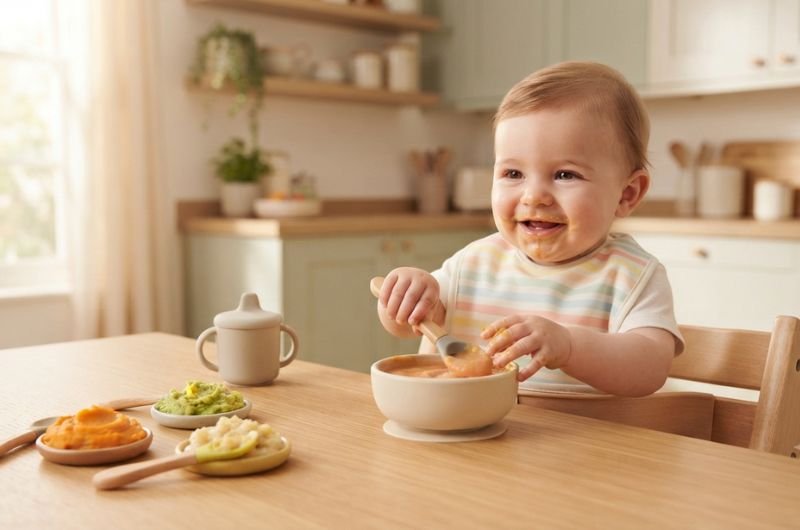
Why Solid Foods Start at Six Months
Babies are usually ready to eat food when they are about six months old. Before that breast milk gives them everything they need. At six months old, babies need more food. They especially require iron, zinc, and other vitamins for healthy growth. At this time many babies can sit up with some help they can hold their heads up straight. Baby Food Chart 6 to 12 Months makes feeding easier.
They can play while other people are eating. Some children try to reach out or open their mouths to eat when they come to the spoon. These are general signs that they are ready to start solids. Introducing solid foods at the right time helps kids. It also builds important skills. They begin to chew, swallow unique textures, and discover new flavors. Baby Food Chart 6 to 12 Months supports balanced nutrition.
Early reviews help shape healthy eating habits. These habits support kids in their early years. Parents need to keep in mind that milk is still the main supply of their baby’s diet through all of this. While breastfeeding or systemic feeding is maintained, solid food is slowly introduced. Baby Food Chart 6 to 12 Months is easy for parents. Baby Food Chart 6 to 12 Months includes soft foods.
Baby Food Chart 6 to 12 Months
The children’s food card allows parents from 6 to 1 year old to understand how food changes as children grow. A baby older than six months usually starts with smooth purees and soft flour foods. At this stage, children eat small amounts once or twice a day because they are learning anyway. By the time babies are seven to eight months old, they have additional problems with food. Baby Food Chart 6 to 12 Months helps start solids.
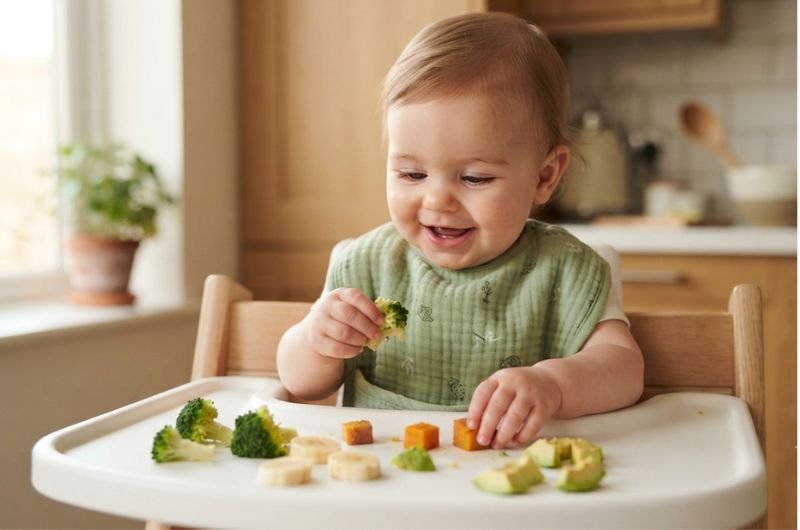
They can enjoy thicker purees and mashed vegetables. Mild flavors, cooked cereals, yogurt, well-cooked eggs, and lentils are also great choices. Meals usually become two or three small servings each day. Between 9- and 10-months babies are given soft finger foods to eat. They get bananas, avocados, cooked carrots and other light foods. These foods help babies learn how to use their hands. When children are 11 months old, they can have healthy food like their families.
They can eat these foods with their families long as the food is soft and easy to chew. It is also important that the food is made without much use of salt or sugar. Babies can eat the same food as their families. This includes bananas, avocados, and sweet potatoes. Just make sure the food is soft and smooth. Meals are more regular, and children eat daily to increase their chewing ability. Baby Food Chart 6 to 12 Months offers simple meal ideas.
Best First Foods for Babies
The initial ingredients must be simple to digest, smooth and clean. Many dads and mums start with iron-fortified baby cereal. They mix it with formula or breast milk. This is not the first meal because it is easy on the stomach and has the essential vitamins that the body needs. Soft fruits like bananas and avocados and pears and ripe apples are also options for a first meal. These fruits are sweet and smooth for children to eat. Baby Food Chart 6 to 12 Months supports baby development.
Cooked vegetables are good for kids. Carrots, pumpkins, peas, squash, and sweet potatoes are great choices. They have important nutrients and minerals. These help kids grow strong and healthy. They should be cooked until smooth and perfectly ground in a form that is easy for younger children to eat. Protein is another important part of a child’s diet. Baby Food Chart 6 to 12 Months includes nutritious meals.
You can serve well-cooked lentils. Mashed beans are also good. Chicken and turkey work well too. Deboned fish and cooked eggs can be offered next. These ingredients give babies the iron they need. They also provide protein during this fast growth spurt. Introducing new foods one by one makes it easier to see how they affect feeding responses. Waiting a few days before adding new food helps parents know what their child can handle. This way, they can see which foods are well-tolerated.
Creating Healthy Eating Habits
Healthy consumption begins at some stage in childhood. Children experiment by looking at their parents and by finding certain materials. When you eat you should feel calm and excited and a little squeezed. Parents should let children eat at their pace. Some days children eat a lot and other days they eat a little. This is a part of growing up. If you give children food, they can get used to the way things taste and feel.
If a child does not want to eat something for a time parents should not give up on food. Many children need to try food before they like it. If you make mealtime fun it is easier for children to feel good about food. When you smile and speak calmly, children feel safe. Let them play with their food. This helps them build a positive relationship with it from a young age. Baby Food Chart 6 to 12 Months includes age-based foods.
Understanding Food Textures by Age
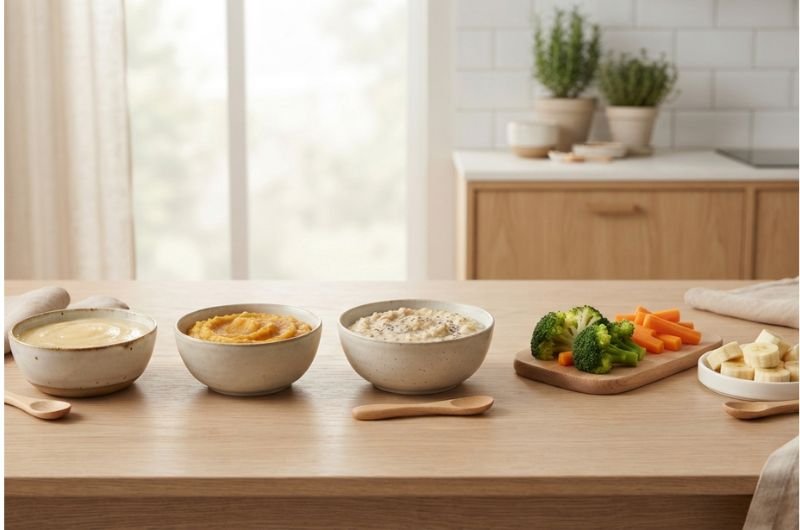
As children grow, the texture of the food also needs to be sorted. This expands your chewing ability and prepares you to eat your family meals daily. At six months, babies usually eat light purees and very soft flour foods. These textures are easy to swallow because babies learn a way to bring their food to their mouths anyway. Around seven-8 months, mom and dad can slowly thicken the food. Baby Food Chart 6 to 12 Months helps parents choose foods.
Children can enjoy mashed greens and mashed fruit. They can also try soft foods with small chunks. This is better than just puree. This helps children learn how to bite and swallow food safely. By nineteen months many babies are ready to try feeding themselves a bit. You can give them bananas, avocados, cooked carrots, sweet potatoes, beets, and pasta. Just make sure the pasta is cooked perfectly. These foods are great for kids to try. Baby Food Chart 6 to 12 Months supports healthy eating.
They help them make meals and improve their skills. Babies can usually eat meals with their family between eleven days and one year. These meals should be easy to chew and not too hard to swallow. Providing special texture each day allows children to become confident eaters. Baby Food Chart 6 to 12 Months gives easy food options.
Healthy Meal Ideas for Growing Babies
Simple home-cooked meals are a wish for kids. They give kids’ stuff because they use fresh ingredients. This way parents can control what goes into each meal. Breakfast is good too. You can mix oats with bananas or apples. This gives kids energy and fiber to start their day. Lunch can be yummy. Mashed sweet potatoes with lentils are good. You can mix green vegetables with meat. Baby Food Chart 6 to 12 Months helps with meal planning.
These meals give kids nutrients, minerals and protein. Dinner is also very important for children. Soft rice, mashed greens and cooked fish or turkey are choices. These foods help kids try flavors. Kids also love fruits like mangos, peaches, bananas or avocados as snacks. Home-cooked meals are healthy also. They are better than processed foods. Baby Food Chart 6 to 12 Months encourages varied foods.
Foods to Avoid During the First Year
Children can enjoy many healthy foods, but some should be discussed in primary school. Honey should not be given to children under 365 days old. It can contain bacteria that may seriously harm younger kids. Whole eggs must also be avoided because they can stifle arguments.
Parents can introduce nuts by using nut butter in small amounts. This works if there are no allergic reactions, and the butter is thinly shredded. Foods with too much salt or sugar are not suitable for young children. Baby Food Chart 6 to 12 Months makes feeding simple.
Building a Balanced Diet for Your Baby
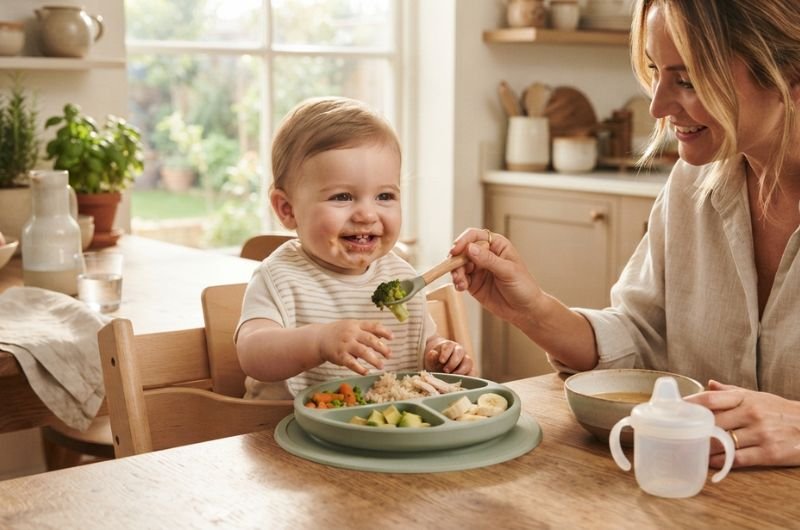
A baby needs food to grow properly. Breast milk is vital for the first six months. After that, solid food becomes important too. It helps babies get all the vitamins they need. To help a baby grow strong and healthy they need to eat a bit of everything. They should have some culmination. They need greens, whole grains, and dairy products if they are old enough. High-protein foods are also important.
Each type of food gives the baby something they need to grow strong. Fruits are good for babies because they have vitamins, they are sweet. They have fiber. Vegetables are also very good for babies because they have minerals. Whole grains give babies energy to play and have fun. If you give your baby a few meals every week, they will get all the nutrients they need to grow up healthy. This is also a way to help your baby learn about new foods and flavors when they are young.
Introducing New Foods Safely
Introducing new foods should be a slow and exciting method. Parents don’t need to rush. Infants have plenty of time to discover various tastes . It often helps to introduce new foods one at a time. Parents should wait about three days before adding new foods. They should also watch for signs of allergic reactions or food sensitivities.
Common allergy symptoms can include:
- Skin burning
- Swelling
- Vomiting
- Diarrhea
- Wheezing
If parents see serious signs, they should call a health professional. They need to do this right away. Many children want to taste the same food many times.
Conclusion
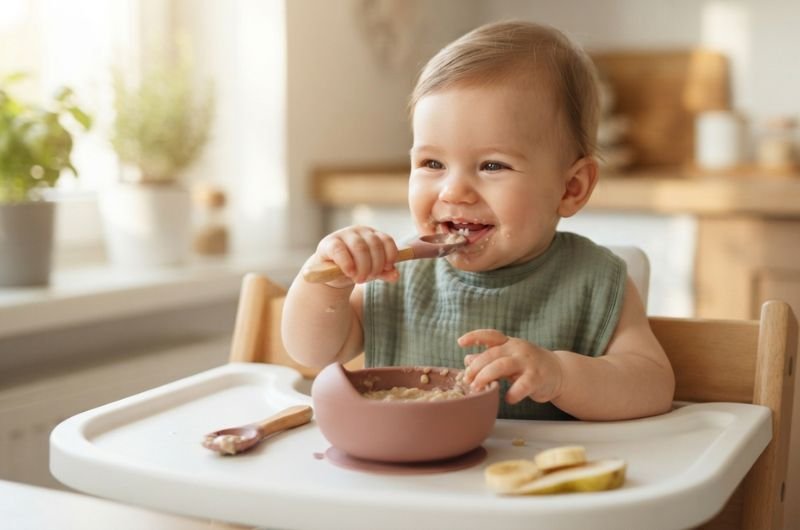
Traveling from the age of six to the age of one is an interesting education in improving your child. Babies are starting to like new flavors. They are finding strange textures fun. They are also learning healthy eating habits. They are getting used to breastfeeding or other methods. From 6 to 365 days, eating solid foods can help dad and mom feel more confident. Tender, nutritious ingredients boost meals. Adding new ingredients often creates great stories. Together, they lead to a healthy boom.
Every child develops at a different rate, so there may not be a perfect schedule that suits anyone. Keep an eye on your child for signs of hunger. Respect their appetite and offer a range of healthy foods. This approach encourages good eating habits. Parents can help their kids build healthy habits. They can do this with patience, love, and balanced nutrition. These habits can last for years.
Frequently Asked Questions
1.When should I start giving my baby solid food?
Most babies are ready to start solid food by six months of age. At this stage, they typically make good head turns, can sit with help, and show interest in meals. They may also continue breastfeeding.
2.How much food should a child eat between 6 and 65 days?
A baby older than six months usually starts developing with one or two small meals each day. As the baby grows, they will have 3 meals and one or two healthy snacks by twelve months. Daily milk feeding continues as well.
3.What foods are enjoyable for a six-month-old baby?
Soft foods are great first choices for most babies. These include:
Mashed bananas
Avocado
Sweet potatoes
Pumpkin
Oats
Iron-fortified baby cereal
Cooked vegetables
Lentils
Pureed fruits
4.What substances should children avoid before three hundred and sixty-five days?
Infants under 365 days should not have honey, salt, or sugar. Keep them away from whole nuts, popcorn, hard candy, and other choking hazards. Food should always be suitable and served in small, soft portions.
5.Can my child eat the same food as the rest of the family?
Indeed. Many children between eleven and one may notice small differences in the food of a related group. Food should be easy to chew, cut into small pieces, and made with little salt, sugar, or spices.