

Bringing home a new baby boy is one of the happiest moments in life. It is also one of the most important changes for both mom and dad. During the first few weeks, many babies sleep in a kind of instance of day and night. This is normal because a new baby does not know the difference between day and night. If you have a baby, try giving them soft sleep often.
This can help your little one feel safe and calm. After a while, they’ll be ready for deep sleep. Many fathers and mothers get worried when their new baby wakes up a lot of times. They think they are not doing things correctly or they are not doing enough for the baby. This guide explains the whole in plain English. Baby Sleep Routine for Newborn helps build healthy habits.
You will learn how to:
- Sleep with many newborn wishes.
- Create a bedtime routine.
- Handle waking up during the night.
- Set up a safe sleeping area.
The goal is to help every child and mom and dad enjoy an extra non-violent night out.

Why Newborn Sleep Is Different
A newborn sleeps very differently than an older child. In the first few months, the brain develops and sleep cycles are much shorter. Most newborns sleep about twenty-four hours a day from fourteen to seventeen days old. However, their sleep is not in long stretches. Instead, they often wake up to eat and groom themselves. In addition to newborns, the abdomen is very small. Because they get hungry quickly, they need to be fed constantly every single day and night. Baby Sleep Routine for Newborn should be simple.
Parents might need to avoid long sleep during the first few weeks for this reason. Regular walking is a healthy and normal routine for most children. Another important objective is to now develop a framework for newborns. Adults certainly feel sleepy at night because their bodies have a constant rhythm. Newborns need time to experiment with this rhythm. Baby Sleep Routine for Newborn includes daytime naps
Gentle exercise and herbal sunlight are good for you. Calm evenings help your body tell day from night. Parents often judge their child with other children. This creates unnecessary fear. A sprain repeater does much more than watch the correct timing. Baby Sleep Routine for Newborn can support better rest.
Baby Sleep Routine for Newborn: A Gentle Start
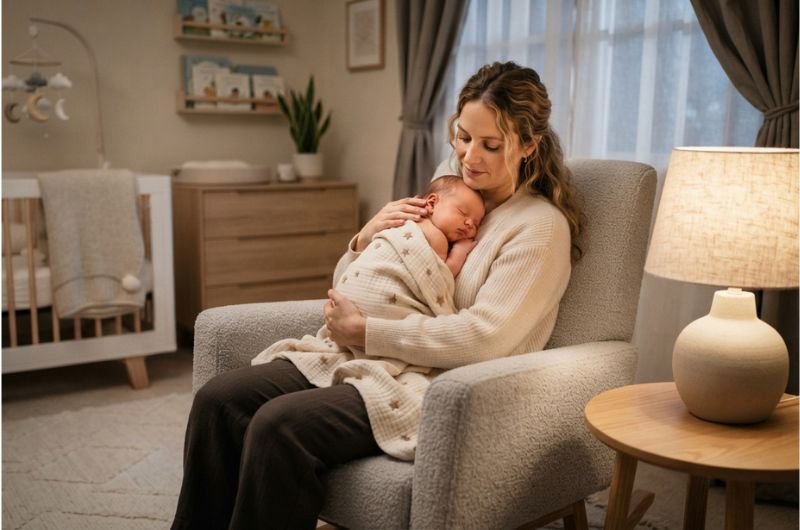
Normal baby sleep for newborns can consistently be soft and soothing. The goal of the first month is not always a strict time. Instead, meditation increases repetitive behaviors that make sleep familiar. Children learn by repeating things. Playing the same quiet game each night can feel very relaxing. A simple overnight routine can start with a hot tub or gentle drying if no bath is wanted.
Baby Sleep Routine for Newborn should include quiet time. Then, Dad and Mum can change diapers, dress the baby in comfy sleepwear, and feed the baby in a quiet room. Soft lights and relaxing tones help reduce arousal before you fall asleep. Holding your child for a few minutes after a meal can also be part of repetitive practice.
A soft bark, a quiet hum, or a smooth verbal exchange creates a sense of protection. When your baby gets sleepy, they territory inside their retracted crib or bassinet. This teaches your child that the sensible sleep zone is a safe zone to relax. Baby Sleep Routine for Newborn can follow feeding times.
How Much Sleep Does a Newborn Need?
At most, newborns sleep fourteen to seventeen hours per day during the first month. This sleep consists of many short sleeps instead of one long stretch. The baby also sleeps for two hours, wakes up to eat, and then goes back to sleep once more. This specimen is fresh to puberty. Between one and three months of age, some babies begin to sleep a little longer at night.
They can also wake up to eat anyway and even at midnight sleep slowly grows to get more ready. Baby Sleep Routine for Newborn needs a calm environment. Parents should keep in mind that each child develops at their own pace. There isn’t a perfect timeframe that fits all children. Daily breaks are also important. Some dads and mums try to keep the baby awake at times, hoping they’ll sleep better at night. This generally has a different effect.
An overtired toddler is often rowdier and finds it harder to sleep. A good daytime sleep promotes more midnight rest. Responding quickly facilitates the baby to make additional inputs without difficulty. Baby Sleep Routine for Newborn can include gentle sounds.
Creating a Calm Bedtime Environment
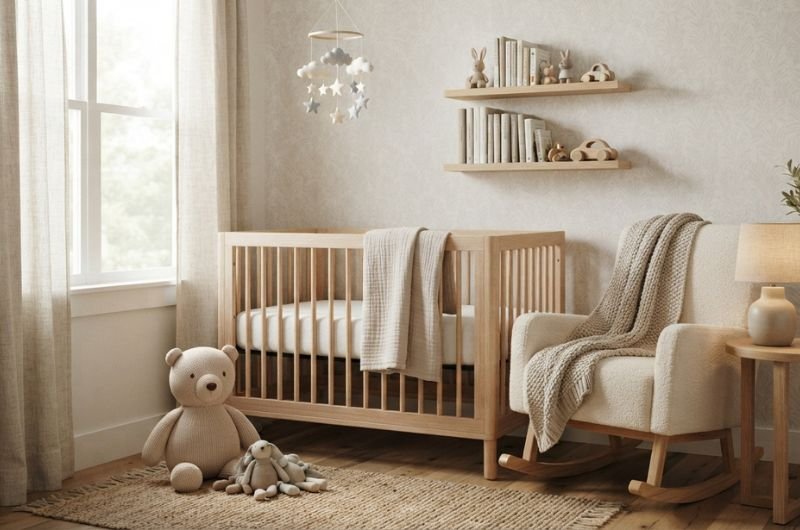
A sleeping environment plays a huge role in helping a new baby relax. A quiet room with cold and soft tells a child that night is not always like day. The room temperature must be fine. Babies no longer need heavy blankets or thick sheets. A small sleeping bag is safer. It keeps your baby warm and prevents loose items in the crib. Comfort comes from proper clothing, no longer extra blankets. Baby Sleep Routine for Newborn helps babies feel comfortable.
Many parents discover that white noise can put newborns to sleep. Soft background sounds can remind babies of noises they heard before birth. This helps lessen accidental family noise. The sound should be smooth and should not be placed near the child’s ear in any way. The sleeping area should always be simple. A company room and well-appointed sheets are enough. Toys, pillows, blankets, and cribs shouldn’t be in the crib. They raise the risk of unsafe sleep. Baby Sleep Routine for Newborn should allow flexible timing.
Day and Night Routine for Newborns
It takes time to tell the difference between day and night. When the sun shines open the curtains and let the herbal light into the room. During the meal, chat about the baby, enjoy some light play, and let everyday sounds occur. This makes the child feel active and shiny during the day. Start reducing arousal at night about an hour before bedtime. Baby Sleep Routine for Newborn can include bedtime cues.
Reduce the lighting, speak softer, and stay away from exciting games. The home doesn’t aim for complete silence, but its calm atmosphere helps you sleep better. Dinner at night, moreover, needs to live peaceful. During the meal, chat about the baby, play gently, and allow normal household sounds to occur. Baby Sleep Routine for Newborn supports regular rest.
Newborn Sleep Schedule by Age
During the first few weeks, babies often see a feeding and sleep cycle. They sleep after eating, wake up again to starve, and repeat the sampling at some point during the day. Parents should listen to what their child wants. They shouldn’t just follow a strict schedule. Around a month old, babies also begin to wake up wide with short intervals between naps.
Baby Sleep Routine for Newborn should use a safe sleep space. Watch windows are still quick, generally forty-five minutes to an hour. Keeping children awake too long can make them overtired. So, it’s still important to have early, wide-awake periods. Over a period of several months, some children obviously prolong their nighttime sleep. For some children, this may be 4 or 5 hours, while others wake up one to several hours a year.
If the child is eating well and developing well, both styles may be normal. In about three months, sleep rhythms will become extra predictable. Baby Sleep Routine for Newborn can include gentle rocking.
Feeding and Sleep Connection
At some point in the newborn stage, food and sleep are closely linked. A full and satisfied child is generally calmer after a meal without problems. Many children seem sleepy, even when breastfed or bottle-fed. This trend is quite stable in early childhood. Parents sometimes fear that eating to sleep will create a terrible habit.
For newborns, comfort food is an herbal part of development. When the child sleeps well they. Get stronger. After the child eats, they can rest a bit before bedtime. Baby Sleep Routine for Newborn helps parents plan rest. Sometimes babies wake up because they have air inside them and it hurts. If you hold the child up straight for a few minutes after they eat, they will not spit up much and they will be calm. When the child sleeps more they will also sleep for periods at night and wake up less often.
The child will have a night’s sleep. This is good for a child’s growth. It helps with their development, food, and emotional needs. Sometimes the child may feel hungry. Want to eat many times. This usually only lasts for a few days before your sleep returns to its normal form. Baby Sleep Routine for Newborn may change with age.
Safe Sleep Guidelines Every Parent Should Know
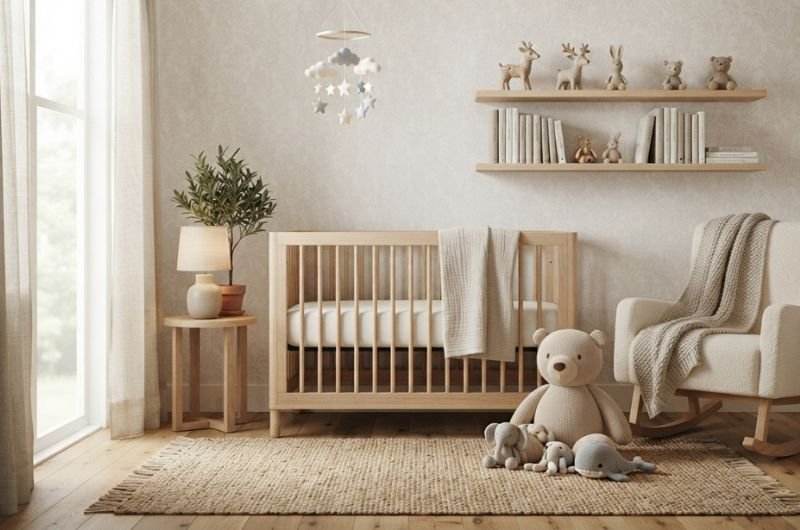
One of the most critical aspects of newborn care is safe sleep. The safest place to sleep is consistently under your back. Children must sleep in a fixed bed inside a crib, bassinet or permitted sleeping area. This function helps to make sure that people do not get into accidents when they are sleeping. Keep blankets, pillows, stuffed animals, and soft bedding out of the baby’s sleep area.
The sleeping area must be safe. It should be free of items like blankets, soft bedding, stuffed animals, and pillows. Baby Sleep Routine for Newborn should focus on comfort. While they may seem comfortable, they invent pointless risks. A lightweight crib is absolutely the safest crib for a new baby. Room sharing is often recommended for many households in the early months. This helps mum and dad respond more easily during nighttime feedings.
It also gives the baby a separate, safe place to sleep. Room sharing is different from bed sharing. Bed sharing has extra safety concerns for newborns. Parents should also avoid overheating. Baby Sleep Routine for Newborn can make nights easier.
Why My Newborn Wakes So Often
Daily waking up with a newborn is one of the toughest challenges for new parents. The real news is that it includes ordinary people. Feeding up to four hours each helps with healthy growth in the first few months. Another motivation is the fast sleep cycle. Adults alternate through longer sleep cycles, but neonatal cycles are much shorter.
This process helps babies wake up more often during their sleep. Baby Sleep Routine for Newborn supports peaceful sleep. Some fall back asleep easily, as do others who need to relax. Wet diapers, gas, and temperature changes can cause waking. Spotting the main problem helps parents see why their child is uneasy. At times a baby truly needs the comfort of being held for a minute, before calming down again.
Parents should remember that waking up now does not mean failure. It is normal biological behavior sometime in early childhood. Over time, longer sleep durations generally increase obviously. Baby Sleep Routine for Newborn can create a soothing routine.
Common Newborn Sleep Mistakes
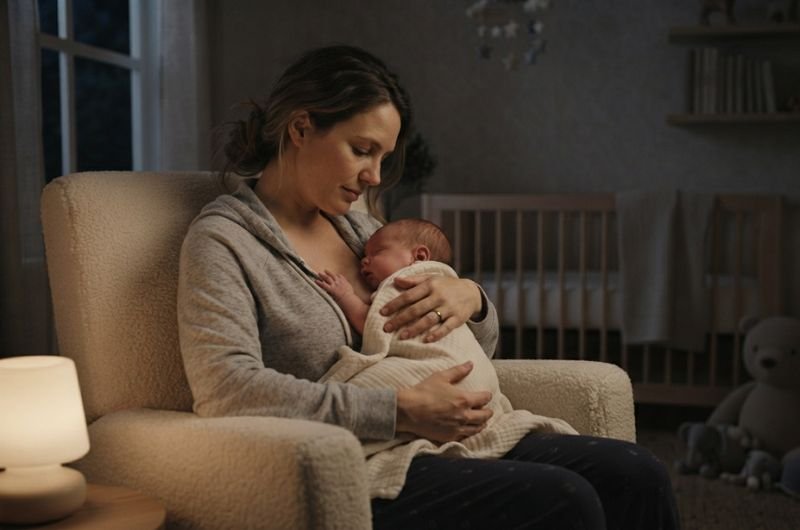
Many parents accidentally keep their baby awake for too long. They wait until the child is very angry before they start sleeping. Additionally, your baby may already be overtired, making sleep more difficult. Checking for early falling asleep symptoms generally works much better. Another common mistake is being too stimulating in the dark.
Lights, television or fun activities can help your baby sleep better after eating. Calming your baby during the night can help keep your baby’s sleep pattern steady. Baby Sleep Routine for Newborn can include soft lighting. Some parents trade bedtimes every night. When the evening features music, everyone plays their own game. Then, someone often comes up with great ideas later.
Babies analyze through repetition, so habitual calm behavior creates stronger indicators of sleepiness. Comparing sleep to other children is another mistake. Every newborn develops differently. Social media and stories from friends can also create unrealistic expectations. Following your child’s wishes is usually the healthiest way. Baby Sleep Routine for Newborn should stay calm at night.
Tips for Parents to Get More Rest
Taking care of a baby is tough and new dads and new moms need to be comfortable in every way they can be. It’s not a good idea to sleep next to your baby. But short naps can help new dads and mums feel less tired. This is important when caring for a newborn. One can handle diaper changes. The other focuses on feeding or soothing.
Working together helps both parents feel less stress. Baby Sleep Routine for Newborn can include gentle cuddles. This is especially true during the newborn phase. Keeping the bag close to the mattress at night also helps protect against lightning. Having diapers, wipes, extra clothes, and groceries close by helps at night. It makes waking up easier and faster. A little guidance can sometimes make a difference in a sleepless night.
Most importantly, Dad and Mom need to write themselves. A newborn’s sleep is unpredictable, and ideal routines don’t exist. Progress is slow. Each peaceful night starts with simple, loving habits. Baby Sleep Routine for Newborn helps create bedtime habits.
When to Talk to Your Pediatrician
Most newborns have normal sleep patterns, but some cases need expert advice. If your baby has trouble waking up to eat, or if they refuse much food, take them to the pediatrician. If they aren’t gaining weight, that’s also a sign to go. Sleep problems that involve breathing should never be ignored. Loud sounds of distress or blue lips are signs. Unusual breathing patterns are also a signal. Baby Sleep Routine for Newborn should follow baby’s needs.
It’s time to get medical help. These signs are not part of newborn sleep. It’s important to talk to the healthcare provider. This is especially true if the parent has constant crying or very restless sleep. Sometimes, foods, reflux, or various medical conditions can also affect your sleep. The initial guidance allows each child and relative. Regular checkups are also a super time to ask questions about sleep. Every child grows differently. A one-on-one talk with the pediatrician is better. It’s more helpful than checking the child with others.
Conclusion
A typical toddler sleep cycle for newborns should be gentle, smooth, and restful. The first few months are not about a good schedule or sleeping through the nighttime. Children feel safe when we help them and they learn about day and night slowly. We can do some things to help them sleep well. We can use lighting to have quiet meals rock them gently and have a simple bedtime routine.
This is normal. Babies get hungry, they sleep for times and they need to be comforted. This is all part of how babies grow. If we are patient and help our children sleep safely, they will learn to sleep Every baby is different. Grows, at their own pace. The important thing is that we love and care for our children as they grow.
FAQs
1. What is the best bedtime for a new toddler?
The first few weeks are not the best bedtime. Many newborns settle between kl. The key substance improves comfort before sleep without focusing on the time.
2. How many hours should a newborn sleep each day?
Most newborns sleep 14 to 17 hours in 24 hours. This sleep often occurs in quick naps because babies often wake up to eat and relax.
3. Is it normal for a new baby to wake up every 2 hours?
Yes, waking up every two to four hours is absolutely every day. Newborns have tiny stomachs, so they need food often, especially in the first few months.
4. Can I start repeating snooze in 2 weeks?
Yes, you can start a soft routine as early as elementary school week. Keep it simple with quiet meals, clean diapers, dim lighting, and gentle cuddles. Routine builds comfort rather than hard times.
5. Should newborns sleep in a dark room?
A slow and quiet room is suitable for sleeping in the middle of the night. Bringing in daylight helps children know when it’s day and when it’s night. They see the difference better.