
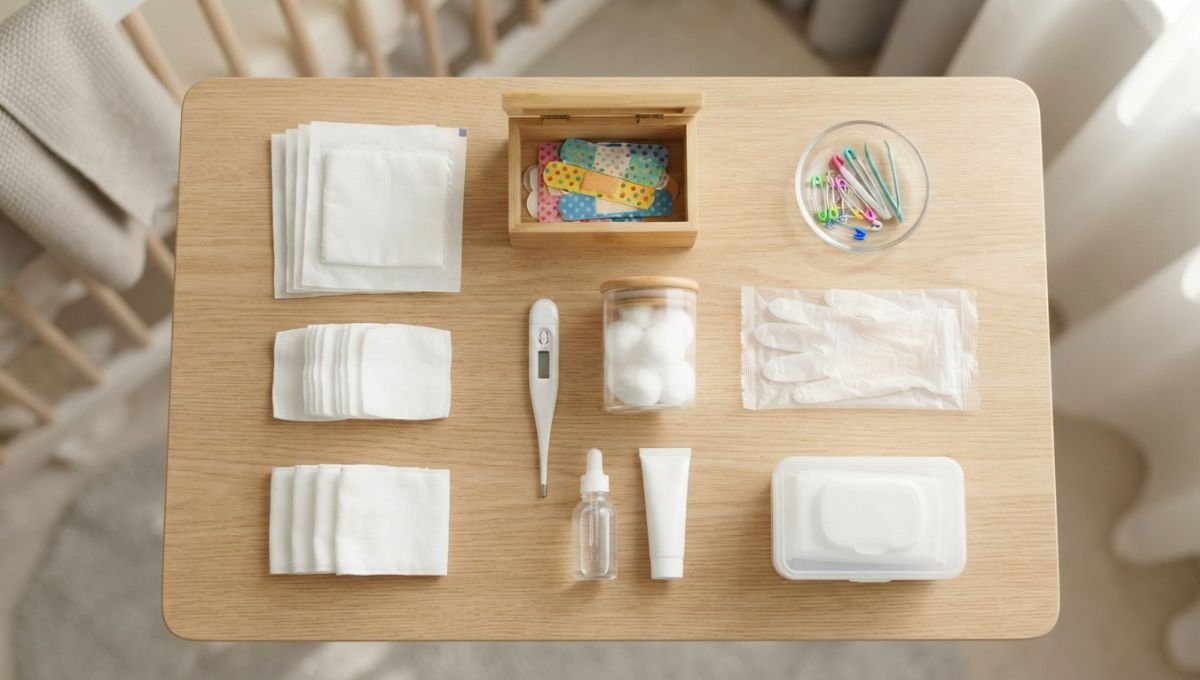
Having a child at home is a great joy. In addition, it comes with many minor concerns. Children may suffer minor cuts, moderate burns, bumps or insect bites. These issues can occur during the game or from day to day during the game. This is why every parent should have a primary first useful set of resources in the home. Baby First Aid Kit Essentials help parents stay prepared.
A good tool can help dad and mom respond quickly when a minor disturbance occurs. The first baby resource kit should have safe and helpful tools for common situations. It doesn’t want to be too big anymore. The main purpose is to keep the important material in a smooth place in a smooth place. Parents should also know how to use each item before an emergency. Baby First Aid Kit Essentials include basic care items.
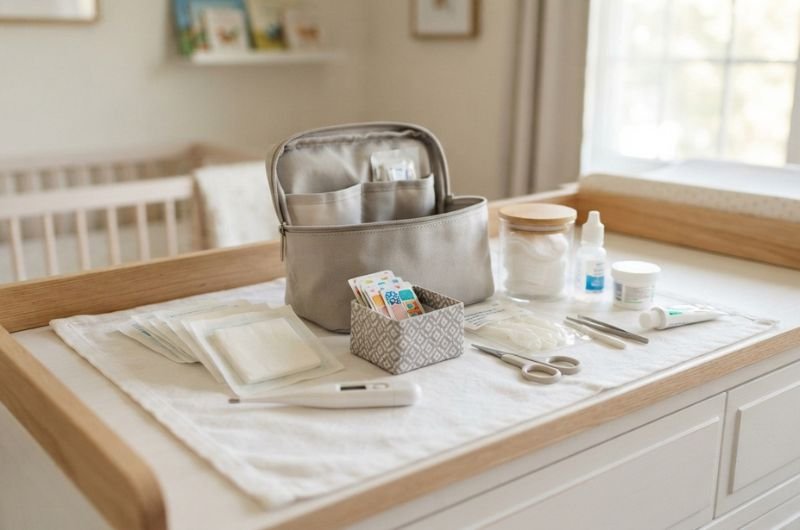
Why a Baby First Aid Kit Is Important
Pink children are energetic and curious. As they develop, they change with the help of touch and rotation. They also shout, walk, climb and play with various objects. Minor accidents can happen even when parents are careful. The first set of resources can assist with mild issues until you need medical help. A baby first aid kit is also helpful at some stage of the trip. Baby First Aid Kit Essentials are useful at home.
The child may also need a trip with the family, a quick walk, being outdoors or simpler care. Carrying a small bag can give both dad and mom peace of mind. In addition, it saves time because the necessary equipment can be arranged in advance. Parents should remember that a useful resource package can’t be an option. This is especially true for a therapist who is still working with them. It’s basically for number one care. Baby First Aid Kit Essentials can help during small emergencies. Baby First Aid Kit Essentials should be easy to find.
Choosing the Right First Aid Kit
Safety must be the top priority when selecting items for the toddler first resource pack. Baby skin is soft and tactile. Some products designed for adults . Parents should choose products made for kids. They can also look for items suggested by health professionals. The bag should be stored in a suitable, dry place nearby. Baby First Aid Kit Essentials can support quick care.
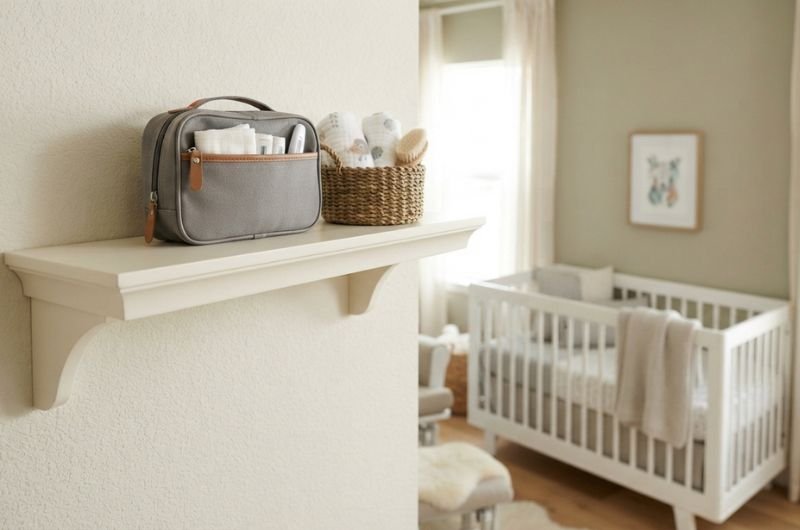
It should also be clean for adults to reach. At the same time, it should be stored away from the child. Children are in no way exposed to medicines, creams, scissors or various small tools. Parents should check the package from time to time. Some products have an expiration date. Medicines and creams can make you lose the first grade after you start. Replacing antiques makes it convenient to have a ready set when needed. Baby First Aid Kit Essentials are helpful for new parents.
Digital Thermometer
A digital thermometer is one of the most useful items in the Baby First useful resource kit. Babies can’t tell their parents how they feel. Thermometers make it easier for mom. The virtual thermometer is easy to use. Parents must follow the instructions that come with the product. Different thermometers can be used in different processes. Baby First Aid Kit Essentials include baby-safe supplies.
If a child has a fever, parents should remember the child’s age and various symptoms. In very young infants, fever often requires brief scientific attention. Parents should not depend on the home remedies. If your Child’s temperature is very high child looks very ill it is important to get in touch with a doctor. Baby First Aid Kit Essentials should be stored safely.
Baby Nail Clippers
Baby nails develop quickly. Long nails can be sharp and can debate small scratches. The child scratches his face when things move in rhythm, whether he’s sleeping or playing. Children’s nail clippers or toddler nail scissors can help keep nails short. Baby First Aid Kit Essentials are useful during travel.
Children’s nail clippers should be used with caution. Children’s nail clippers are designed specifically for kids, so choose them carefully. Toddler nail scissors also need to be selected with caution for the same reason. It is easier to trim nails when the child’s quiet or sleeping. Good lighting is equally helpful. Parents should never rush this task. A small mistake can damage a child’s skin. Baby First Aid Kit Essentials help manage minor cuts.
Sterile Gauze
Sterile gas is any other useful part of the baby first resource pack requirements. It can help cover minor reductions or scrapes. Gauze can also help train mild strains, while minor bleeding may occur. Parents should keep sterile gauze sealed until long desired. Baby First Aid Kit Essentials make parents feel prepared.
It is important to have clean arms before touching gas or damaged areas. For small wounds, clean them gently. Use proper dressings to keep dust out. If mild stress does not stop the bleeding now, the injury may require additional healing. Parents no longer have to try to cope with extreme bleeding in the household. Baby First Aid Kit Essentials can help with small bumps.
Adhesive Bandages
Child-safe adhesive tapes can be used for minor cuts and tears. They cough up sores and help keep dirt out. Parents must choose small groups that are appropriate for their children. The pores and skin should be light and dry before the bandage is applied. Baby First Aid Kit Essentials can save time during emergencies.
Parents should also check the skin, around the bandage. If there is redness, swelling or signs of infection the dressing should be. The area examined. Pads should never be inserted, as they may end up entering the child’s mouth unfastened. Infants often touched pores and skin and put their palms in their mouths. Baby First Aid Kit Essentials should be checked often.
Saline Drops
Saline drops can be helpful when a child has a blocked nose. Children can struggle to eat or sleep. This happens if they can’t breathe well through their noses. I have seen that normal saline drops are usually used to dissolve mucus. Parents should use them as the product says. They should also follow a healthcare professional’s advice. Don’t use medicated nasal drops in children unless a doctor advises it. A lubricated nasal spray or a suitable suction device can also be useful, for some children. Clean the nasal spray and suction device well after use. This stops the spread of bacteria. Baby First Aid Kit Essentials are useful for family trips.
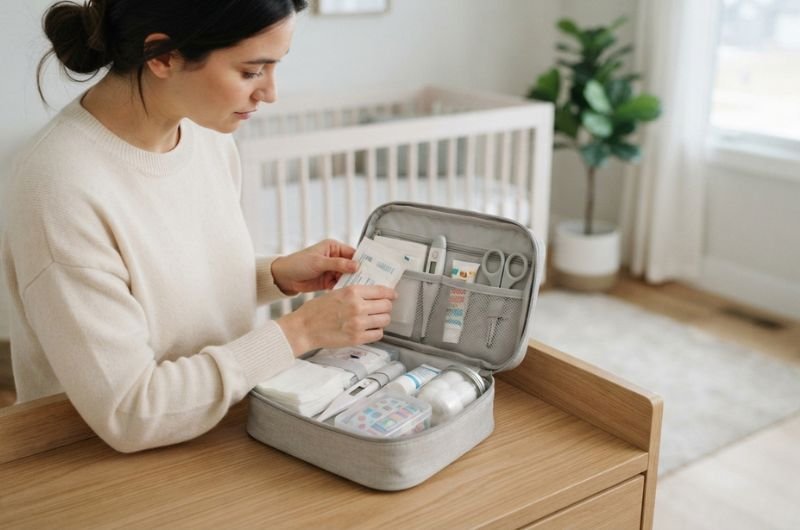
Baby First Aid Kit Essentials for Common Problems
A beautifully prepared kit can help mom and dad take care of many small problems. Parents should be careful with drug treatment and skin products. The kit shall be approved as a primary service item. Now it doesn’t have to be full of a lot of unnecessary drug treatments. Baby First Aid Kit Essentials should stay away from children.
Parents should ask a health professional or pharmacist before keeping a medicine for public use. The next important step is to understand how to use those resources. Having tools is helpful. Knowing when to use them is even more important. It’s not just about having the things. It’s, about using them at the time. That makes all the difference. Baby First Aid Kit Essentials are easy to organize.
Petroleum Jelly
Petroleum jelly can help protect dry skin. It can also help create a barrier to moisture in certain situations. For example, some parents use a thin layer around the diaper to provide skin protection. Parents can choose standard products that are suitable for young children. Baby First Aid Kit Essentials support basic baby care.
It should be used on clean pores and skin. If your child’s skin gets more irritated after using a product, stop using it. Seek advice if needed. Vaseline does not need to be treated as a treatment for every pore and skin irritation. Some burns require special treatment. A health professional can help discover motivation. Baby First Aid Kit Essentials are important for every home.
Cold Pack
A small anemic p.C. It can be helpful for minor sprains and swelling. It can help make the pain area more comfortable. A cool % should be wrapped in a damp cloth before use. It should be handiest used for short lengths. Parents should monitor their child’s skin during use. Baby First Aid Kit Essentials are useful for daily care.
If the child has a serious head injury, loses consciousness, or vomits a lot, mum and dad need to get help right away. If the child acts strangely after a fall, they should also seek medical attention fast. It’s just for small bumps. Baby First Aid Kit Essentials help with minor injuries.
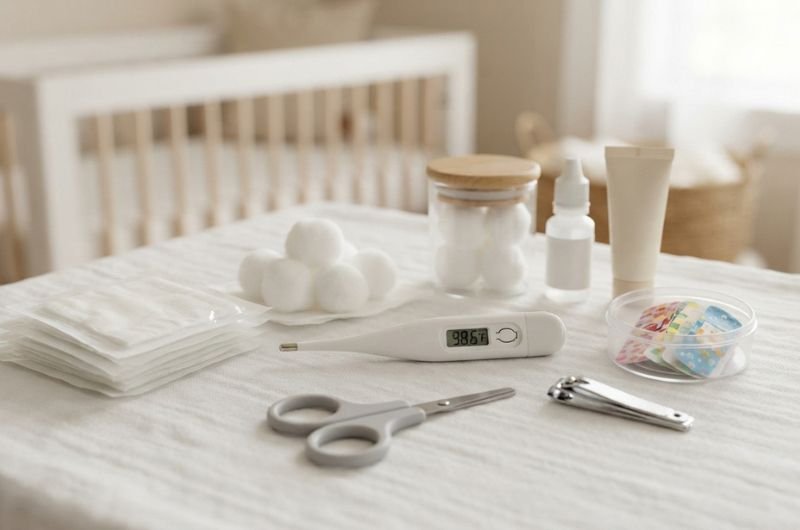
Tweezers
Clean tweezers can be helpful in removing visible small pieces. They can also assist with small tasks that are much easier on your skin. Parents should never dig into the pores and skin to stop something that is deeply ingrained. Tweezers must be cleaned before. After each use. Tweezers should be kept in a container that has been greased. Tweezers must also be kept far from children because Tweezers are sharp. If something is stuck deeply painful or close, to the eyes parents should not try to remove it at home. Professional care can be safer.
Disposable Gloves
Disposable gloves can be useful in times of simple first aid. They help protect the caregiver’s fingers and force contact with blood or body fluids. Gloves should be easy to wear and protect their genuine bags. However, parents must wash their hands before and after providing the first resource. Gloves no longer replace hand washing.
Hand Sanitizer, Small Scissors , Medical Tape
A small bottle of hand soap can be useful when soap and water are not required. Children do not touch or drink disinfectant. So, it must be kept safe. In addition, it shall be closed when not in use. Small scissors, gauze, tape, and other handy tools can help reduce materials at the start. Baby First Resource Kit requirements might also need a pair with rounded or secure edges. Scissors should usually be stored away from youngsters. Parents should refrain from leaving their child next to them after use.
In addition, they should be smooth and dry before storage. Scissors are not toys. Even a small couple can intend harm by treating an infant or a younger child. A medical bandage can help keep the gauze or bandage in place. Parents can choose a soft cushion that is suitable for touchy skin. Some children may also react to glue. The bandage should no longer wrap tightly around a finger, arm or leg. Tight wraps can affect blood flow. Parents should check the skin. If they see swelling, discoloration, or inflammation, they should remove the dressing.
Antiseptic Products and Keeping Medicines in the Kit
Parents can imagine that every little wound wants a strong antibacterial product. This is not always consistently authentic. Clean many small cuts with running water and mild soap. This helps ensure a smooth transition. Some antiseptic products can aggravate children’s pores and skin. Parents should avoid using strong chemicals without expert advice.
Hospital treatment may be needed if the wound is deep, dirty, badly injured or as a result of animal chewing. Adequate first aid kits for young children are often weak. They aren’t the best choices. Safe and easy care is often more important for minor problems. The treatment requires extra care. Parents should not give children medicine just because an older child or adult has used it.
The exact medication and dosage may depend on the age and weight of the child. If a healthcare professional recommends medication, both parents should follow the detailed instructions. A medication measuring syringe is useful. It measures liquid medication more accurately than a kitchen spoon. Drugs need to stand in their own separate well. The tag shall be clean for testing purposes. Expired medicine should be removed from the bag.
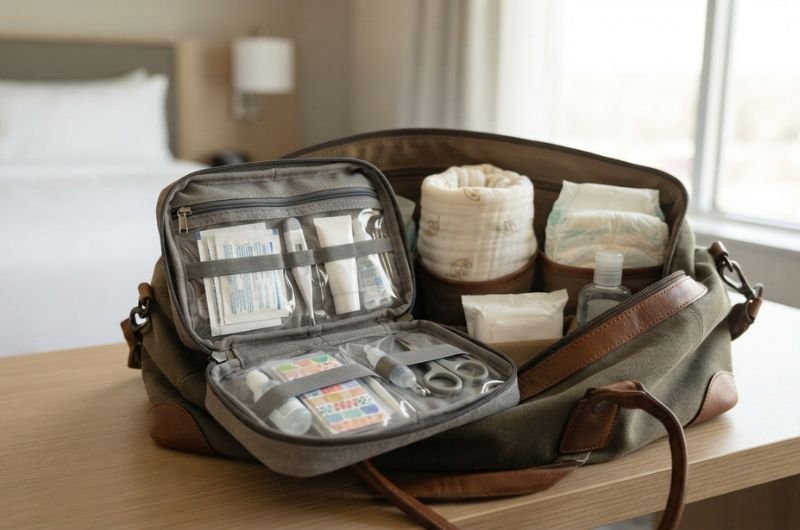
First Aid Kit for Travel
A travel first aid kit may be smaller than a home kit. A bag can have basic wound care items. It can include a virtual thermometer, gauze, child-safe bandages, and other needed tools. Parents should pack these bags before they leave home. It should be protected with a smooth and stable bag. In hot climates, store medicines and products as the label says. Parents must also provide important fitness statistics during the trip.
How to Organize Baby First Aid Kit Essentials
First aid supplies do a good job when a whole lot is accessible. Parents should keep comparable items together in a clean bag or container. Wound care devices can survive in one piece. Baby monitors can fit in any other room. Labels can also make the kit less difficult to use. This is useful when parents are present or in a hurry.
Packages must be checked frequently so missing or outdated equipment can be replaced. First, useful resource bags should be stored away from heat and moisture. It should also be placed out of the reach of children. A lockable cabinet or high storage area can be a fantastic option.
What Not to Put in a Baby First Aid Kit
The first resource basket for children should not have unwanted medicines. It also must not include pharmacists. Parents should skip vintage treatments. They should avoid unknown lotions. Also, stay away from commercial products without clear labels. Sharp objects must also be protected. Small appliances can be a choking hazard .
The set is for personal use, now not for a child to discover. Parents should also avoid using home remedies for serious injuries. Natural no longer consistently indicates safe for young people. If a child has many accidents or unusual symptoms, it’s a good idea to get specialist help.
Conclusion
The right first aid kit for your kids helps parents feel ready. It prepares them for minor accidents, not just unusual childcare issues. Digital thermometers are helpful. So are sterile gauze and child-safe dressings. Saline drops, gloves, and clinical dressings are useful too. You can use them at home or when out.
The simplest item is the most important for child protection. Parents should learn basic first aid and know when to seek professional help. Do not ignore serious injuries or unusual signs, no matter what. Keep the bag accessible, clear and out of your child’s reach. Check it regularly and replace expired or used parts. Light training allows parents to respond extra evenly when there is a small problem.
Frequently Asked Questions
1. What are the most important baby first useful resource package requirements?
The most useful items are:
a digital thermometer
sterile gauze
baby-safe bandages
suitable gloves
Also, saline drops and medical dressings are important. The exact items can change based on the child’s age and likes.
2. Should I put medicine in my child’s first useful resource bag?
Parents simply need to take medication that may be suitable for their child and encouraged through a health professional. Keep medicines in their original containers. Check them for expiration dates.
3. Can I use adult first useful resources for my child?
Not at all. Some personal care products may be too strong for baby skin or may not be suitable for children. Parents should choose child-safe products. They can also ask a healthcare professional before using them.
4. Where should I keep a child first useful resource package?
The kit should be stored in the area for adults to find fab, dry and clean. It should usually be kept away from the child. A secure upper cabinet can be a surprising choice.
5. When should I call a doctor rather than use the first useful resource?
Parents should get medical help for:
severe bleeding
breathing issues
serious burns
poisoning
seizures
fainting
severe head injuries
other alarming signs.