

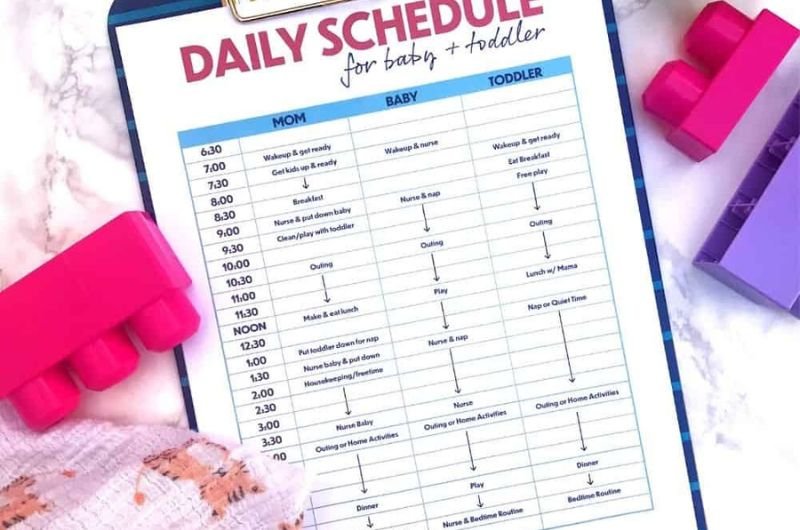
Baby Daily Routine Chart for baby is very important. Creating a day by day ordinary for your toddler can experience tough at the beginning. Many mothers and fathers feel careworn. They ask many questions. When ought to the toddler sleep? When do you have the infant? How much play time is needed? An ordinary toddler’s chart each day helps solve those questions. It offers shape to the day.
It helps parents feel calm. It additionally helps infants sense secure. Babies like knowing what comes subsequent. The recurring is flexible. You can change it based on totally for your toddler’s needs. Baby Daily Routine Chart helps parents stay organized every day.
Credit: https://theincrementalmama.com/
Why a Baby Daily Routine Is Important
A infant each day’s ordinary approach is doing primary activities in a ordinary order. These sports encompass feeding, drowsing, playing, and bathing. A routine no longer implies strict timing. It was a mild flow of the day. Babies feel safe when existence is predictable. When feeding and snoozing show up in a sample, toddlers cry less. They sleep higher. Parents also experience much less burdened.
A habitual allows babies to learn day and nighttime. It helps with higher sleep behavior. It also allows digestion. Babies who observe a routine regularly sense calmer. A every day ordinary additionally helps parents plan their day. You know while the child may sleep. You recognize whilst feeding time is near. This makes daily lifestyles easier.
Many mothers and fathers worry about breaking the ordinary. This Routines can change. Travel, contamination, or visitors can affect the day. Babies can go back to habitual habits again with gentle support. A baby habitually must trade with age. Newborn routines are distinct from older children’s routines. Very small infants eat and sleep often. Older babies live awake longer.
Baby Daily Routine Chart sets regular feeding times. Always comply with your child’s signals. If your baby is hungry, feed them. If your child is sleepy permit rest. The recurring have to guide your baby, not control them.

Credit: https://www.eyworks.co.uk/
Importance of Consistent Feeding Time
Feeding time is a key a part of a infant everyday habitual. Babies feel steady when feeding occurs in a normal pattern. It enables their body to apprehend hunger and fullness. This can lessen crying and fussiness. Baby Daily Routine Chart reduces stress for new parents.
Consistent feeding additionally helps with healthy digestion. When a toddler eats at similar instances each day, the stomach works higher. Gas and pain can also lessen. Babies also sleep higher while their tummy feels comfortable.
For younger babies, feeding is frequently on call for. As babies develop, mild feeding times may be introduced. This does not imply strict timing. It approaches providing meals around the identical time each day. Always watch starvation signs. If your child is hungry earlier, feed them. Flexibility is still important.

Credit: https://pediatricheroes.com/
Importance of Play Time in Daily Routine
Play time is not just fun. It is very important for toddler boom. Each day habitually should include play time when the toddler is wide awake and glad. Play facilitates mind development. It additionally facilitates muscle energy.
Simple play is enough. Talking, singing, and reading help language talents. Floor play helps with motion. Tummy time builds neck and arm electricity. Even smiling and eye contact assist emotional growth.
Play time additionally allows toddlers to release energy. When toddlers play well in the day, they sleep better at nighttime. Do not overstimulate your baby. Too much noise can make them tired. Short and calm play sessions work great.
Always observe your child’s mood. If your child looks tired, stop playing. Routine play ought to be enjoyable, now not worrying. Baby Daily Routine Chart balances rest and activity time.

Credit: https://www.epl.ca/
Importance of a Calm Bedtime Routine
A calm bedtime routine is one of the most crucial parts of a toddler each day habitual chart. It enables infants to relax before they sleep. It tells the baby that nighttime is coming. The bedtime ordinary should be simple and quiet. Bath time, gentle rubdown, tender talking, and analyzing a e-book paintings properly. Doing the same steps each night facilitates infants’ experience secure. Baby Daily Routine Chart encourages better bedtime habits.
Avoid loud sounds before sleep. Avoid brilliant lighting fixtures. Avoid lively play near bedtime. Calm activities help the infant’s frame gradually down. This makes falling asleep easier. Normal bedtime habitual can reduce nighttime waking. It also facilitates infants sleep longer stretches. Over time, babies learn when it is time to relax. This advantages each the toddler and the mother and father.

Credit : https://www.thebump.com/
Sample Baby Daily Routine Chart (0–6 Months)
Below is a easy example. Times may also be exchanged. This is most effective guide.
Chart 1: Baby Daily Routine Chart (0–6 Months)
| Time | Activity |
| 6:00 am | Wake up and milk feeding |
| 7:00 am | Play time |
| 8:30 am | Nap |
| 10:00 am | Milk feeding |
| 11:00 am | Tummy time |
| 12:30 pm | Nap |
| 2:00 pm | Milk feeding |
| 3:00 pm | Play or walk |
| 4:30 pm | Nap |
| 6:00 pm | Milk feeding |
| 7:00 pm | Bath and quiet time |
| 8:00 pm | Sleep |
This routine helps balance feeding, sleep, and play. Adjust times based on your baby’s needs.
Baby Daily Routine for Older Babies
As infants develop, their routine changes. Babies from 6 to twelve months stay wakeful longer. Additionally, additionally start with solid ingredients. Naps grow to be fewer. Recurring enables infants to regulate those modifications. It also helps mother and father manage feeding and sleeping better.
Older babies need play time. Play enables mastering and motion. Reading, making a song, and floor play are very beneficial. Meals become essential at this level. Babies can also eat solids two or three instances a day. Milk continues to be critical. Nap time is still wished. Most babies take naps a day at this age. Some may additionally take one longer nap.
Bedtime habitual becomes very crucial. A calm bedtime routine allows toddlers to sleep higher at night. Bath, eBook, and quiet time paintings properly.
Sample Baby Daily Routine Chart (6–12 Months)
Chart 2: Baby Daily Routine Chart (6–12 Months)
| Time | Activity |
| 6:30 am | Wake up and milk |
| 7:30 am | Breakfast |
| 9:30 am | Nap |
| 11:00 am | Play time |
| 12:00 pm | Lunch |
| 1:00 pm | Nap |
| 3:00 pm | Snack and play |
| 5:30 pm | Dinner |
| 6:30 pm | Bath and book |
| 7:00 pm | Sleep |
This routine supports growth and sleep. Adjust as needed.
Creating a Flexible Routine
A ordinary must not feel traumatic. It ought to feel helpful. Always allow flexibility. Some days can be exclusive. If your toddler skips sleep, live calmly. If feeding time adjustments, it is ok. Babies grow and change speedily. Watch your toddler’s cues. Yawning method sleep. Crying can also imply starvation. Respond with care and love.
Common Mistakes Parents Make
Some dad and mom follow routines too strictly. This can strain both the baby and the parent. Babies need consolation extra than rigid policies. Another dad and mom bypass playtime. Play could be very vital for a toddler’s brain and body. Even easy games assist them grow. Some dad and mom hold bedtime too late. Late sleep can make infants overtired and cranky. Early sleep is better for their fitness and temper. Small exercises and play make parenting less complicated.

Credit: https://coffeeandcarpool.com/
Tips for Success
To help your child keep exercising simple and easy. Simple workouts make the infant feel secure and calm. Use a smooth, calm voice before sleep. This allows your infant to relax. Repeat the equal steps each day. Consistence offers your infant comfort and safety. Be patient with yourself and your child. Learning together takes time. Most importantly, believe in yourself. You realize your toddler is satisfactory Using these tips can make daily life easier and help your toddler grow happy and healthy.
Conclusion
A toddler every day habitual chart allows both toddler and mother and father. It creates structure and comfort. Babies feel safe. Parents experience confidentiality. Routines do not want to be perfect. They should be mild and bendy. Follow your child’s desires With love, staying power, and a easy recurring, everyday life becomes simpler. Your toddler will sense calm. You will feel more comfortable. Baby Daily Routine Chart helps create a calm home routine.
Frequently Asked Questions (FAQ)
1. When must I start being a toddler habitually?
You can begin a simple routine from birth. Keep it flexible.
2. What if my baby does not comply with the routine?
That is okay. Follow your child’s indicators. Adjust the habitual.
3. How long should naps be?
Nap length relies upon on age. Short naps are normal for young infants.
4. Can exercises trade in the course of travel or contamination?
Yes. Babies can go back to recurring after a few days.
5. Is bedtime recurring simply crucial?
Yes. A calm bedtime habitual allows toddlers sleep better.